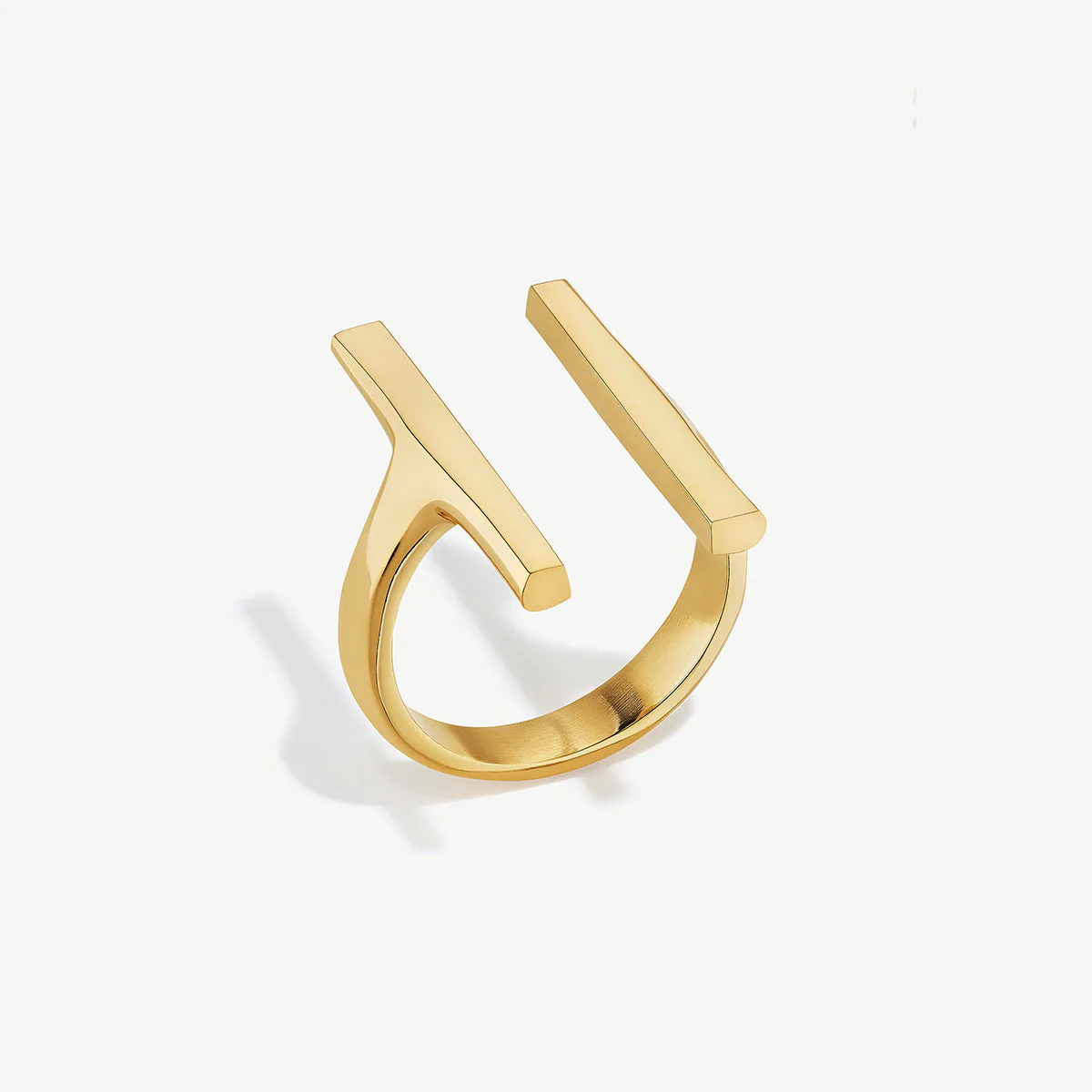
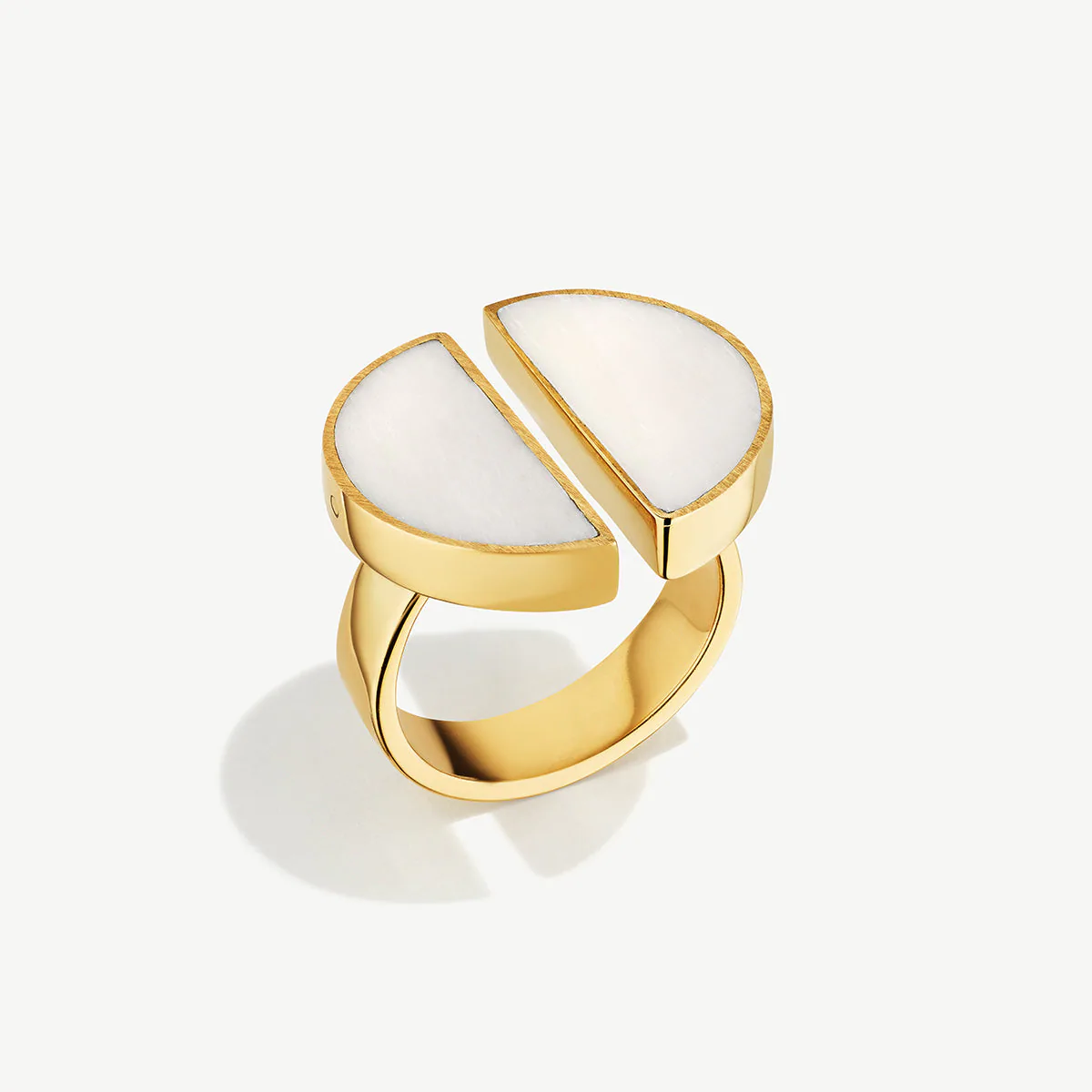
Can I wear gold and silver jewelry together?
Yes. The combination looks intentional when the pieces share a repeated shape, surface, scale, direction, or spacing pattern.
Topic / mixed metals
Mixed metal jewelry looks coherent when the contrast has a visible structure. One anchor object leads; shape, surface, scale, or spacing repeats across gold- and silver-toned pieces.
Start here
Move through the pieces, guides, and care notes that make the most sense for what you are choosing, wearing, gifting, or keeping.
Follow the six-step anchor, bridge, hierarchy, repetition, placement, and edit sequence.
5 styling formulasChoose a bridge, ratio, curve, surface, or body-zone system.
Mistakes to avoidDiagnose hierarchy, crowding, material language, and movement.
Ear, neck, and handBuild a readable path across three body zones.
Ring stackingBuild the mixed-metal rhythm around one lead ring.
Wearable artUse material contrast to support form and body placement.
Room ProfileSave metal direction, scale, sensitivities, and hard exclusions.
In use
See how the materials, shapes, and small rituals hold up once they leave the product grid and meet ordinary movement.

Repeat direction before adding another color.

Negative space keeps each metal legible.

Metal contrast should still belong to the complete look.
Structure
Start with the piece that carries the strongest weight, scale, or silhouette. Let the second metal support that object rather than competing for equal attention.
A gold-toned anchor can sit beside narrower silver-toned bands when the stack repeats curve or spacing. The same logic works across earrings, necklaces, and bracelets.
See ring-stacking structureMaterial truth
Gold-colored and silver-colored are visual descriptions, not complete material descriptions. Product pages should identify verified metal, alloy, plating, finish, and care information instead of letting styling language imply composition.
The FTC Jewelry Guides require truthful representation of precious-metal content and surface applications. Switchroom therefore keeps editorial styling separate from product-specific material claims.
Review current product detailsNegative space
When too many pieces overlap, mixed metals collapse into visual noise. Leave enough skin, fabric, or quiet surface for each tone to register.
Repeat one relationship—polished with polished, curve with curve, or weight with weight—then stop before the contrast loses its purpose.
Explore sculptural jewelryPlacement
A bridge piece contains both tones or repeats the shape of a piece in the other metal. It gives the eye a reason to move from a silver-toned ear cuff to a gold-toned necklace or ring without requiring every object to match.
Choose one body zone to lead, then echo the quieter metal once elsewhere. For example, let the ear carry the strongest contrast, repeat one metal at the hand, and keep the neck restrained so the composition has a clear path.
Plan ear-cuff placementJournal / deeper intent
This topic page owns the broad mixed-metal jewelry definition. The Journal goes deeper by separating the tutorial, repeatable formulas, mistake diagnosis, and cross-body placement into distinct search intentions.
Choose the question you are actually solving. Each article returns here for the core framework, then continues toward ring stacking, product discovery, or Room Profile preferences.
How to mix gold and silver jewelry5 mixed-metal jewelry styling formulasMixed-metal jewelry mistakes to avoidMix metals across earrings, necklaces, and ringsReference context
Museum scholarship and official guidance provide context. Product-specific materials, fit, dimensions, and care remain on the current product page.
A museum account of jewelry design as a process connecting drawings, materials, makers, customers, and expressive intent.
Official guidance requiring truthful representation of precious-metal content, surface application, quality, and other material facts.
FAQ
Short answers for choosing, wearing, caring, gifting, and finding the right next page.
Yes. The combination looks intentional when the pieces share a repeated shape, surface, scale, direction, or spacing pattern.
Choose one anchor ring, then add a quieter ring in the second metal that repeats one visible feature without obscuring the anchor.
A bridge piece contains both tones or repeats a visible shape, surface, or line from jewelry in the other metal. It connects the contrast without making every piece identical.
No. Color alone does not establish metal composition. Check the product-specific material, alloy, plating, finish, and care description.
No. A clear hierarchy is usually stronger: one piece leads, and smaller or quieter pieces support it.