How do I start ring stacking?
Start with one anchor ring, then add quieter rings that repeat its line, metal, weight, or direction.
 Jewelry / Jewelry Profile / Field Notes
Rings / styling notes
Ring stacking works when the hand still has a readable structure. Switchroom treats rings as sculptural anchors: one dominant form, supporting scale, controlled metal contrast, and enough negative space for the hand to move.
Start here
Move through the pieces, guides, and care notes that make the most sense for what you are choosing, wearing, gifting, or keeping.
The largest or strangest ring leads the look.
Mixed metalsUse silver and gold together when rhythm, weight, or surface connects them.
Open ringOpen shapes add air and solve spacing without flattening the stack.
Spinner ringsLet one moving ring carry the hand composition.
8 ring-stack ideasMove from slim everyday bands to one optional statement accent using scale, texture, metal, and spacing.
Nail surfaceNails can punctuate the stack, but the jewelry remains central.
In use
See how the materials, shapes, and small rituals hold up once they leave the product grid and meet ordinary movement.
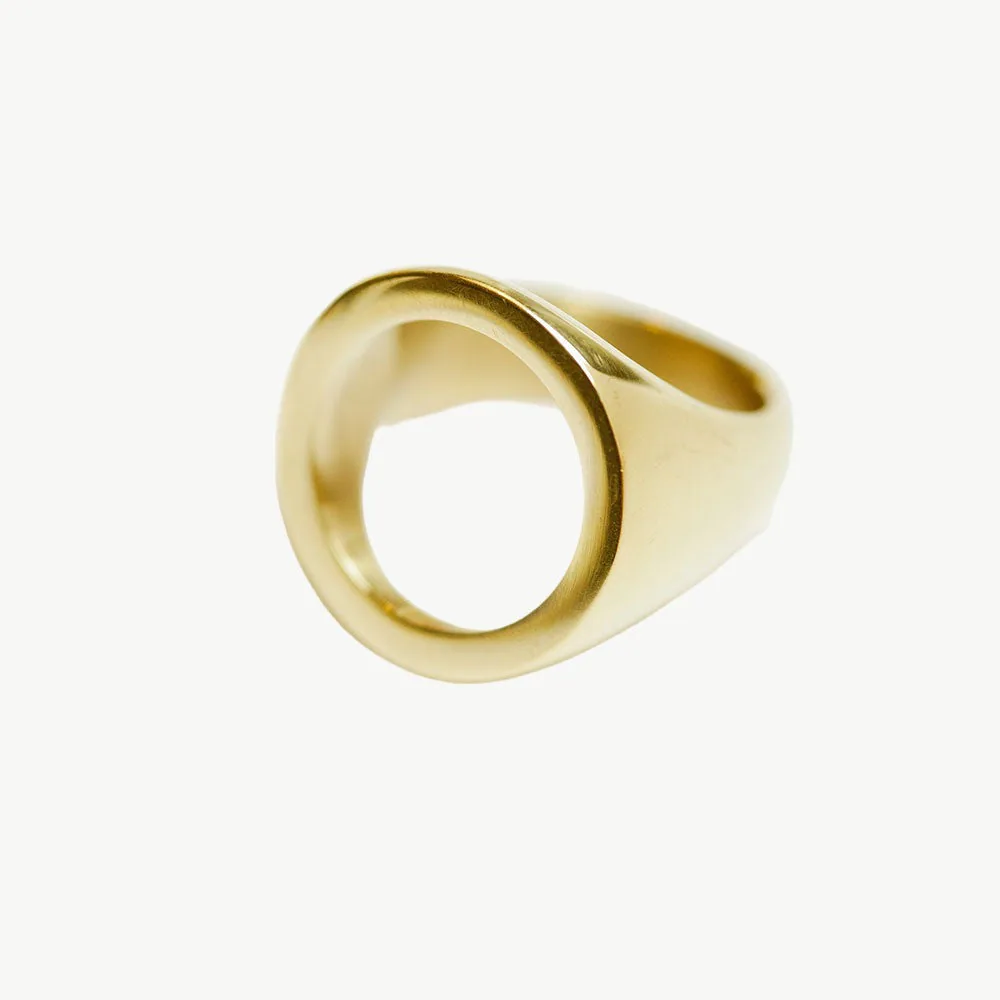
Begin with the ring that most changes the hand.
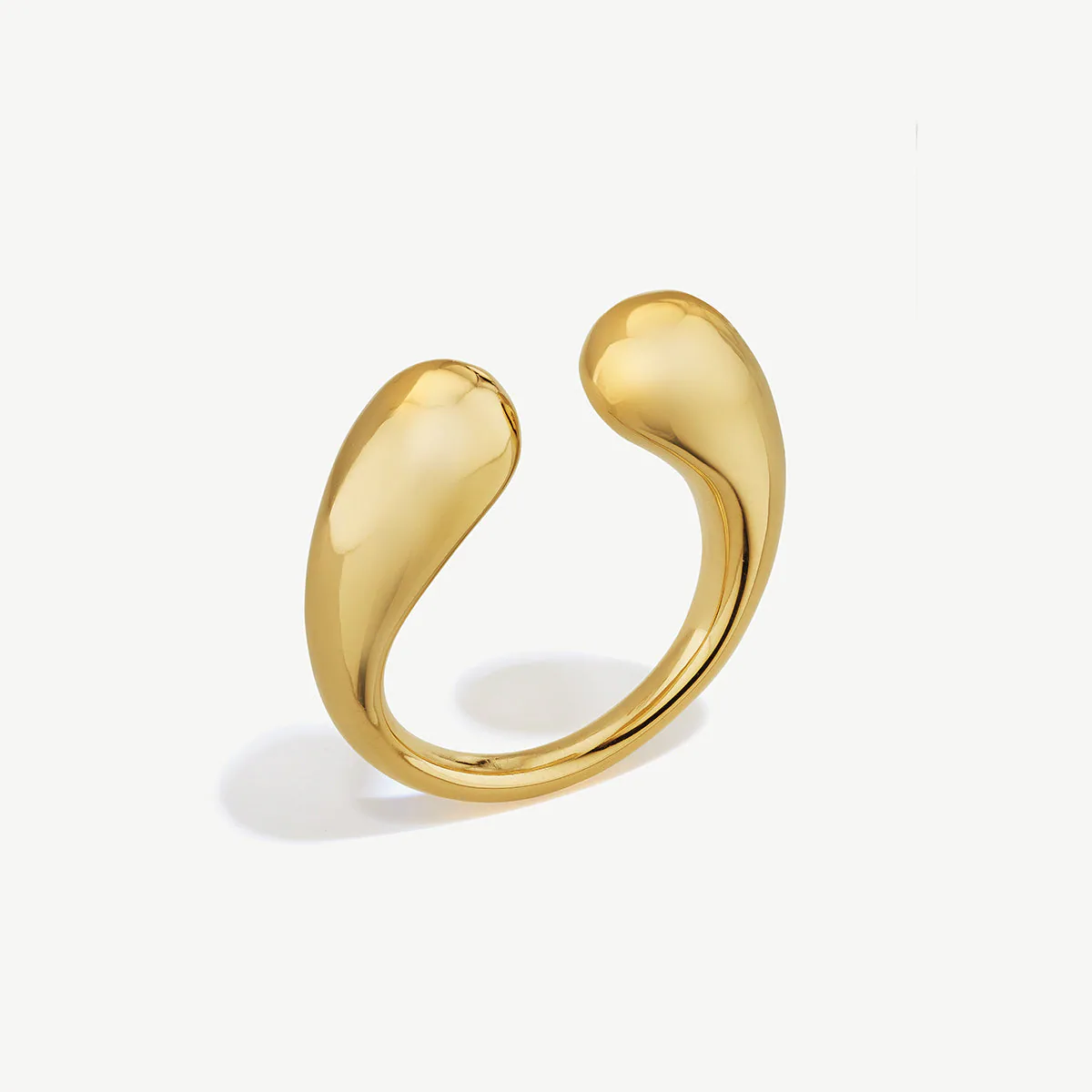
Supporting rings repeat direction without crowding the anchor.
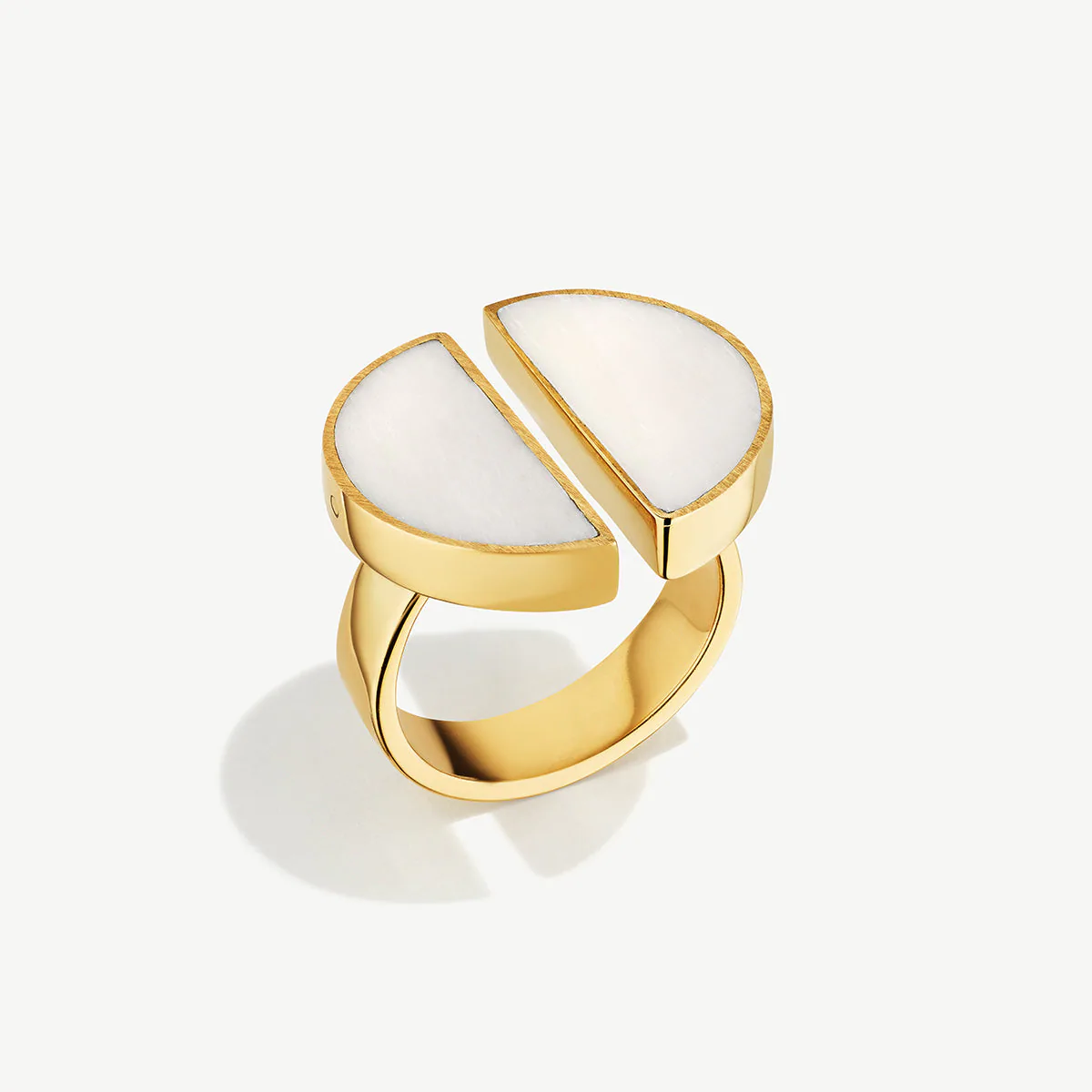
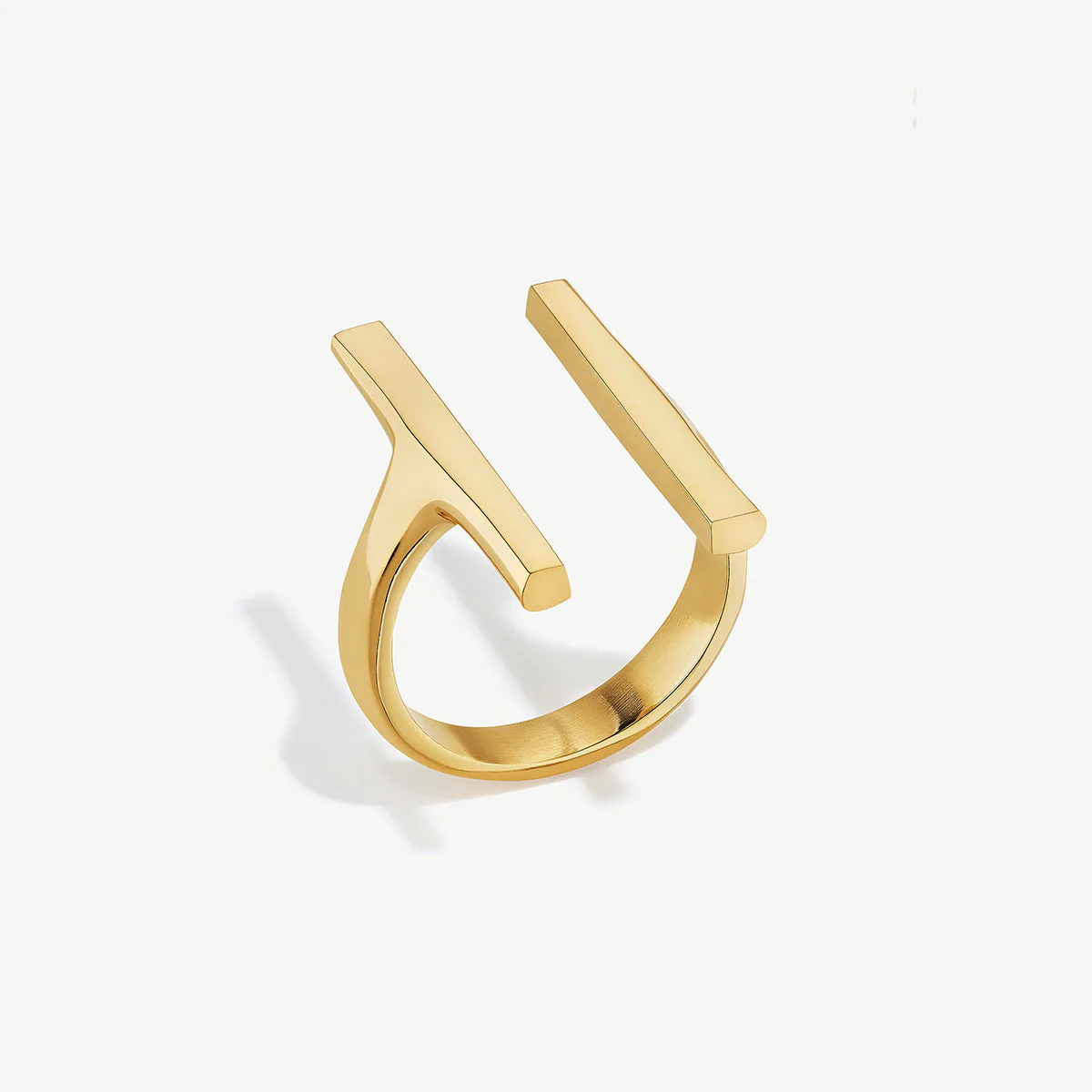
The gap is what lets the silhouette read.
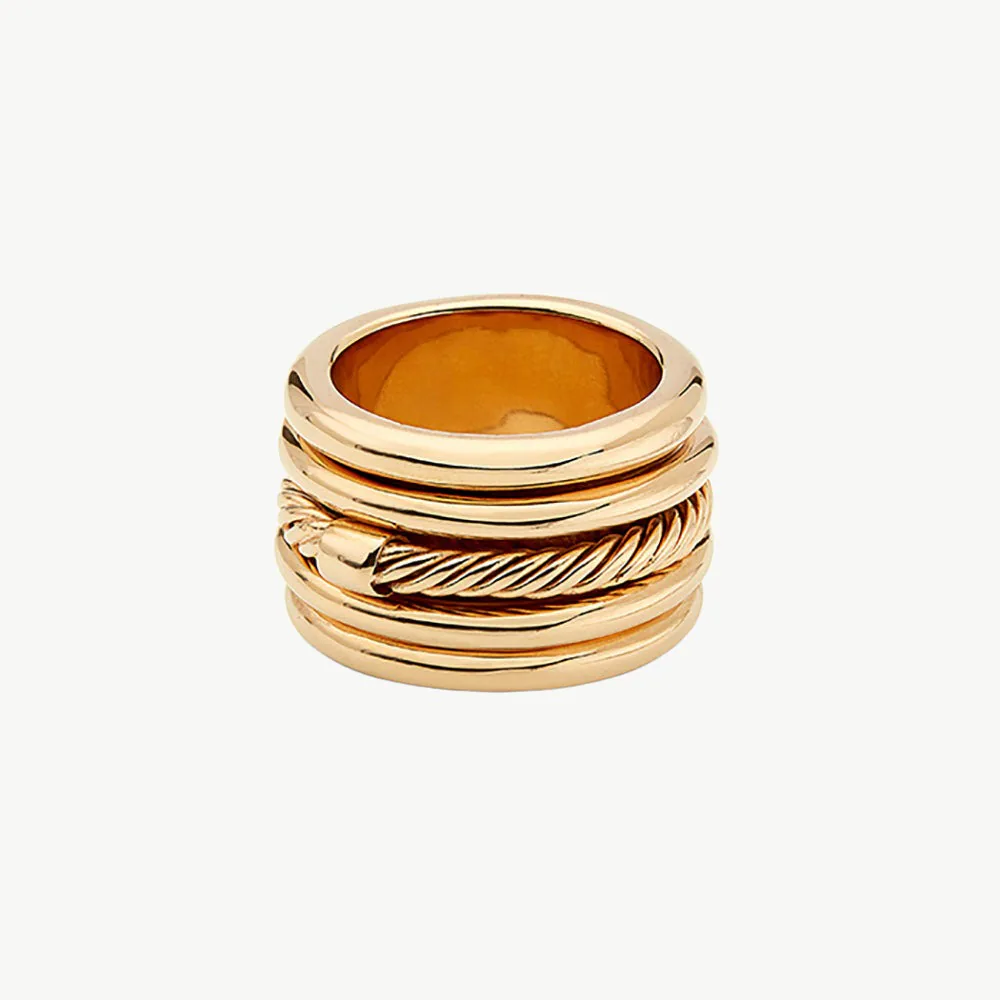
A spinner ring can carry motion without adding more competing shapes.
Rule one
Start with the ring that changes the hand most clearly. Everything else should support its scale, direction, or surface.
If every ring tries to be the focal point, the hand becomes visual noise. One anchor lets the stack feel intentional.
Shop the rings collectionSpace
Negative space is not emptiness. It is the gap that lets a ring silhouette read. Leave at least one finger or knuckle area visually quieter when the stack gets large.
A clean break can make one sculptural ring look more expensive than three extra bands.
Sculptural jewelryMixed metals
Silver and gold can sit together as a deliberate styling approach rather than a rule-breaking accident.
Mixed metals work when there is a reason for the contrast: repeated shape, balanced weight, shared surface language, or one clear anchor piece.
Read the mixed-metal guideRing types
Open rings and adjustable silver rings solve fit and spacing problems. Chunky gold rings solve visual weight. They should not all do the same job in a stack.
Use one chunky or sculptural anchor, then use open or adjustable rings to echo line, leave air, and keep the hand readable.
Read the spinner-ring guideMovement
A spinner ring already contains movement and layered bands, so it can act as the anchor instead of one more support ring.
Give the moving ring enough visual and physical space. Pair it with a quieter band on another finger, and check the product-specific fit and movement before building the rest of the stack.
Shop the rings collectionJournal
The supporting Journal story separates the broad ring-stacking route from the inspiration intent around ring stack ideas.
Use it for slim bases, small signets, contour pairs, mixed-metal bridges, texture, sideways placement, and one optional statement accent.
Read the ring-stack ideasFit measurement
A ring size guide should begin with the exact product details. Note the finger, measurement method, time and temperature, dominant hand, knuckle clearance, band width, and whether the ring is open, adjustable, or fixed before treating a number as transferable.
Wide bands, stacked bands, moving sections, and sculptural tops can change how a nominal size feels. Never force an adjustable ring or infer fit from a photograph; use the current product chart and seek qualified sizing help when the measurement remains uncertain.
Check currently available ringsStatic fit record
For each ring, record the finger, dominant hand, measurement method, time, temperature, knuckle clearance, band width, and whether the construction is fixed, open, adjustable, or moving.
Keep the record beside the product-specific size chart. A nominal size is not automatically transferable across a wide band, stacked bands, an adjustable opening, or a sculptural top.
Check currently available ringsFrom the Journal
These field notes carry the same material, body, and styling questions into specific scenes.
FAQ
Short answers for choosing, wearing, caring, gifting, and finding the right next page.
Start with one anchor ring, then add quieter rings that repeat its line, metal, weight, or direction.
Measure the exact finger and note the method, time, temperature, knuckle clearance, band width, and ring construction. Use the current product chart because wide, stacked, open, adjustable, and sculptural rings may fit differently.
Yes. Mixed metals work best when the stack has a visible rhythm through shape, spacing, or repeated proportion.
Choose one anchor ring first, then repeat either shape, weight, texture, or spacing so silver and gold look intentional together.
An open ring can add negative space, solve fit flexibility, and keep a stack from becoming visually crowded.
Yes. A spinner ring already combines movement, layers, and visual weight, so it can lead the stack. Pair it with a quieter band and leave enough space for the moving section to work comfortably.
Use a chunky gold ring as the visual weight or anchor. Pair it with quieter rings so the stack keeps a clear structure.
There is no fixed number. Stop when the hand still has a readable silhouette and the rings do not fight each other.
Negative space is the visible gap that lets each ring shape read. It keeps the stack from becoming cluttered.
They do not need to match. Nail color or shape can support the ring stack as punctuation while keeping jewelry central.
No. It is a static record for comparing your own measurements with the current product chart. Seek qualified sizing help when fit, knuckle clearance, construction, or measurement remains uncertain.