Biomorphic jewelry looks as though it has grown rather than been drawn: a curve that recalls bone, a ring with the softness of a pebble, an earring caught somewhere between petal and sea creature. The reference can stay elusive. That is part of the pleasure.
The central idea behind biomorphic design is that jewelry can function as a small-scale encounter between anatomy, material, and imagination. The strongest pieces do not simply decorate the body; they create a visual dialogue with shoulders, ears, fingers, and movement. By understanding proportion, texture, comfort, and styling context, you can choose pieces that feel less like accessories and more like personal pieces with meaning.
Understanding biomorphic jewelry as a language of form
Biomorphic jewelry describes pieces inspired by organic structures found in living systems: curves, branching patterns, fluid surfaces, irregular symmetry, and evolving silhouettes. The term does not mean a piece must resemble a leaf or animal. Instead, biomorphic design borrows the logic of nature: repetition with variation, balance with imperfection, and softness combined with structural strength.
This approach creates a different relationship between jewelry and the wearer. Traditional ornament often emphasizes preciousness through symmetry and polish, while biomorphic forms create interest through tension. A curved metal surface may echo the movement of a wave. A textured edge may suggest natural erosion. A hollow volume may create the impression of something grown rather than manufactured.
For anyone drawn to contemporary jewelry, this makes biomorphic pieces especially relevant because they occupy a space between fashion, sculpture, and personal identity. They can be worn as daily pieces while still carrying the conceptual depth expected from an artwork.
Organic jewelry: translating nature without copying it
Organic jewelry is often associated with designs that feel natural, fluid, and connected to the physical world. However, the most sophisticated examples avoid becoming simple representations of natural pieces. A successful organic approach focuses on qualities rather than symbols: the curve of a surface, the irregular rhythm of a texture, or the sense of growth within a structure.
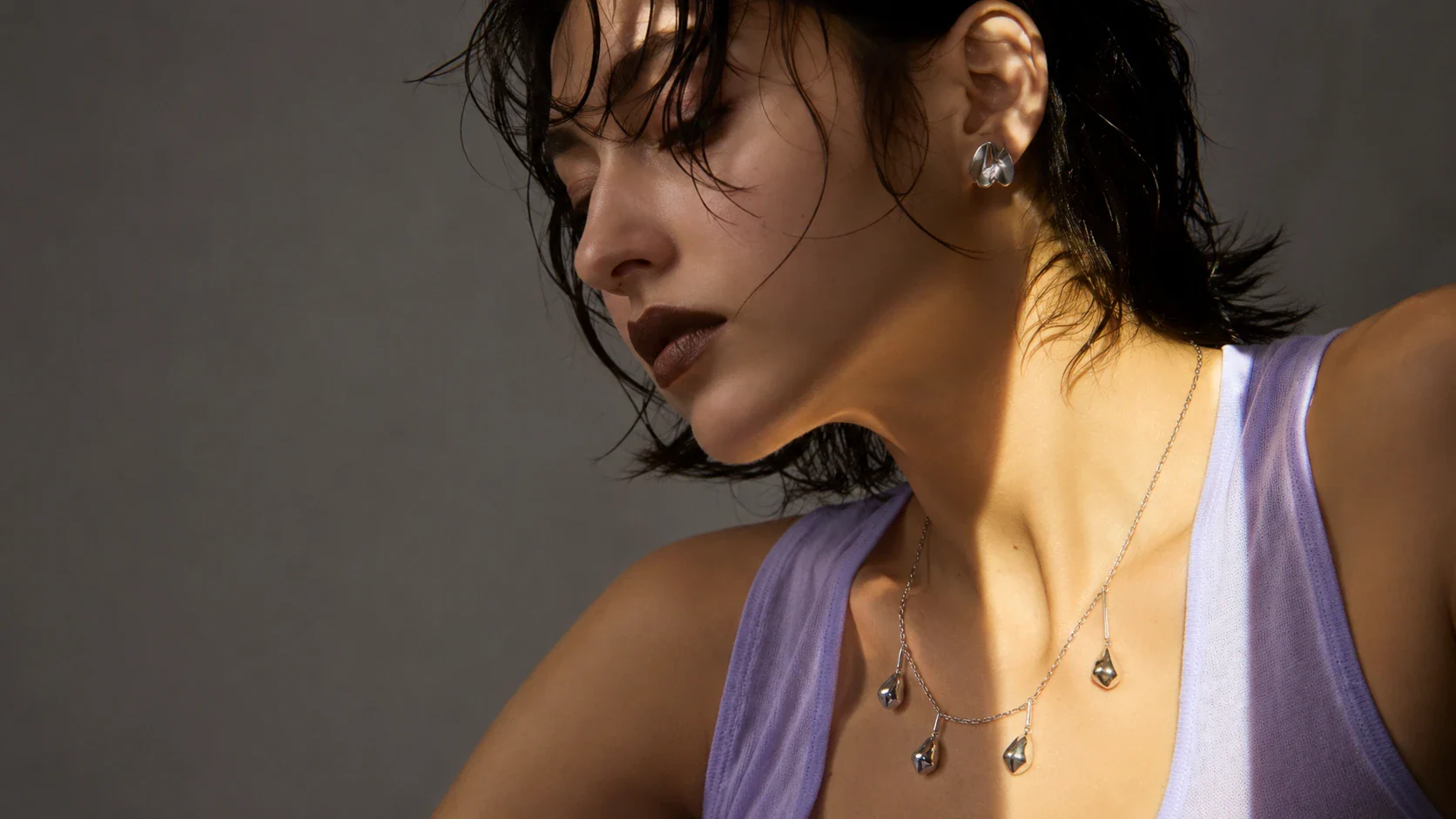
For example, an earring inspired by natural movement does not need to look like a flower or branch. It may instead use a gentle asymmetrical curve that follows the jawline or creates a visual pause beside the face. A ring may reference geological processes through layered surfaces rather than imitate a stone formation.
This distinction matters because contemporary luxury increasingly values interpretation over decoration. Organic jewelry becomes powerful when the viewer senses a connection to nature but still encounters an original artistic choice.
Organic shape jewelry and the importance of silhouette
Organic shape jewelry focuses on the relationship between irregular silhouettes and the human body. Shape is one of the first things noticed when viewing jewelry, especially earrings, necklaces, and larger sculptural rings. Before someone notices a material or finish, they experience the outline and movement of the piece.
Good organic silhouettes usually balance freedom with control. A completely random form may feel unfinished, while an overly controlled shape can lose its sense of life. Designers often create interest by combining soft curves with sharper transitions, open spaces with solid volumes, or smooth surfaces with areas of texture.
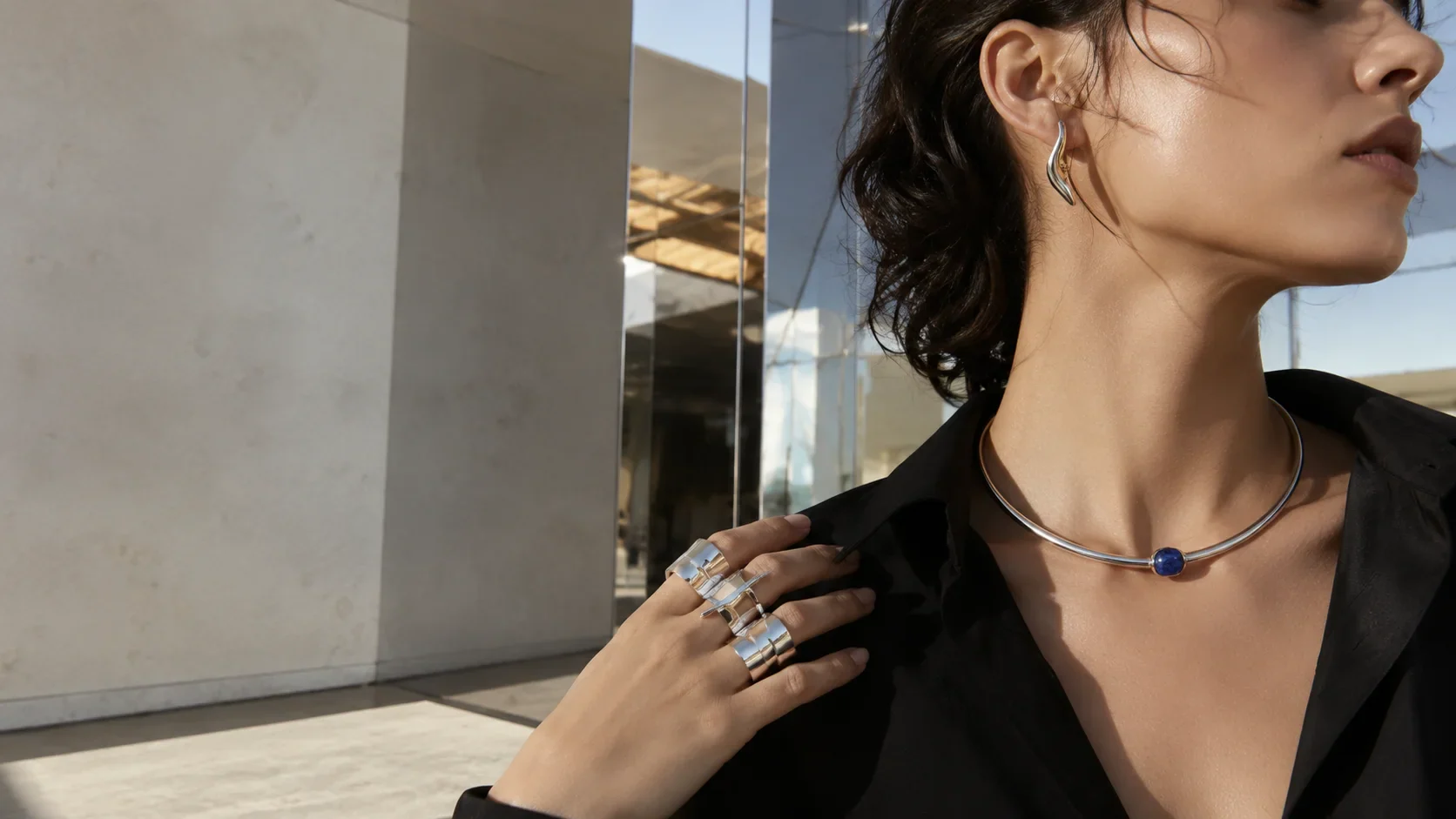
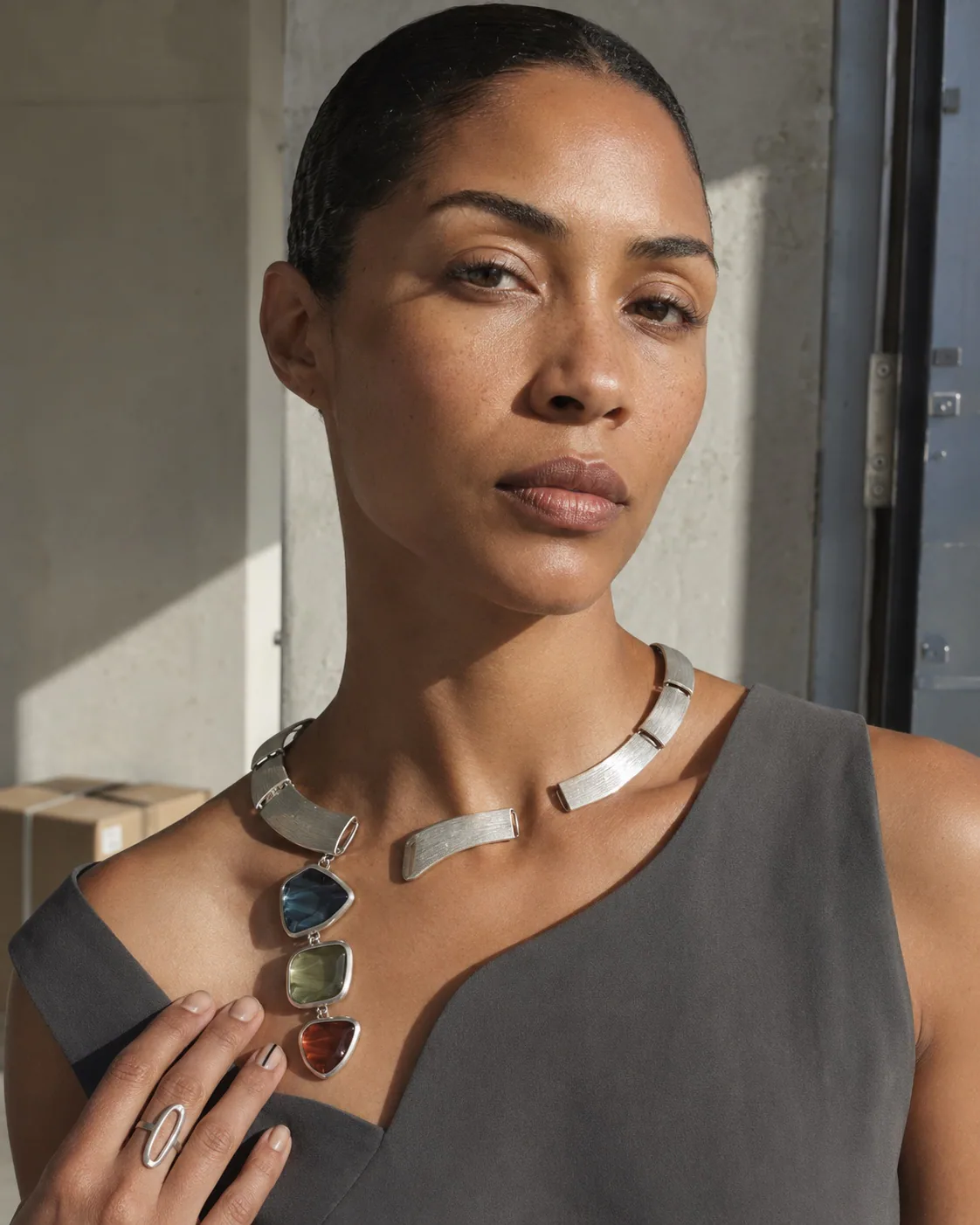
When choosing organic shape jewelry, consider where the piece will sit on the body. Earrings should interact with the face rather than compete with it. Rings should respect finger movement. Necklaces should consider the neckline and the natural direction of the collarbone. The best biomorphic designs appear to belong to the wearer instead of simply sitting on top of an outfit.
Organic shaped jewelry: balancing artistic expression and wearability
Organic shaped jewelry expands the idea of jewelry beyond conventional geometric categories. Instead of circles, squares, or symmetrical arrangements, these pieces explore evolving contours and unexpected proportions.
However, expressive shape requires practical consideration. A dramatic silhouette may look beautiful in an editorial photograph but feel uncomfortable during daily wear if weight distribution, closure design, or contact points are ignored. Jewelry should still function as a piece designed for the body.
Before purchasing a sculptural piece, evaluate several practical factors:
- Weight: larger forms should not create unnecessary pressure or strain.
- Balance: earrings and pendants should remain stable during natural movement.
- Closures: mechanisms should feel secure while remaining easy to use.
- Surface contact: edges and textures should be comfortable against skin.
- Care requirements: unusual finishes may need specific cleaning methods.
The strongest organic shaped jewelry combines artistic ambition with thoughtful engineering. The piece may appear spontaneous, but successful wearability usually comes from careful structural choices.
Abstract jewelry: creating meaning through interpretation
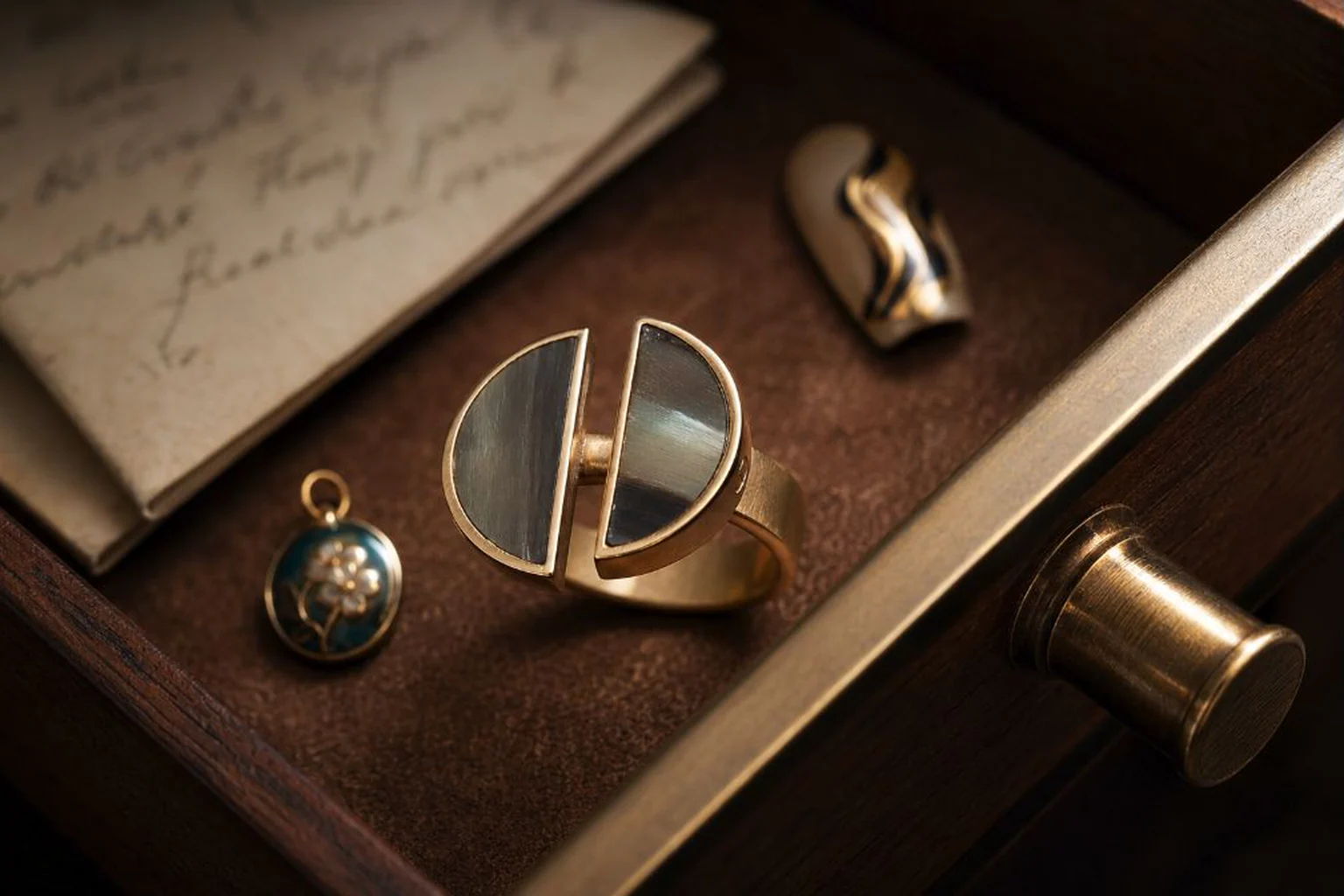
Abstract jewelry moves away from recognizable symbols and allows form itself to become the message. Instead of representing a specific flower, creature, or piece, abstract pieces communicate through rhythm, volume, balance, and material presence.
This makes abstract jewelry particularly personal. A wearer can project their own interpretation onto the piece. One person may see movement, another may see architecture, and another may simply respond to the emotional quality of the shape.
In contemporary styling, abstract jewelry works because it avoids being limited to one narrative. A sculptural earring can complement minimalist clothing, a tailored outfit, or an artistic wardrobe because its meaning changes through context.
Wearable sculpture: where jewelry meets contemporary art
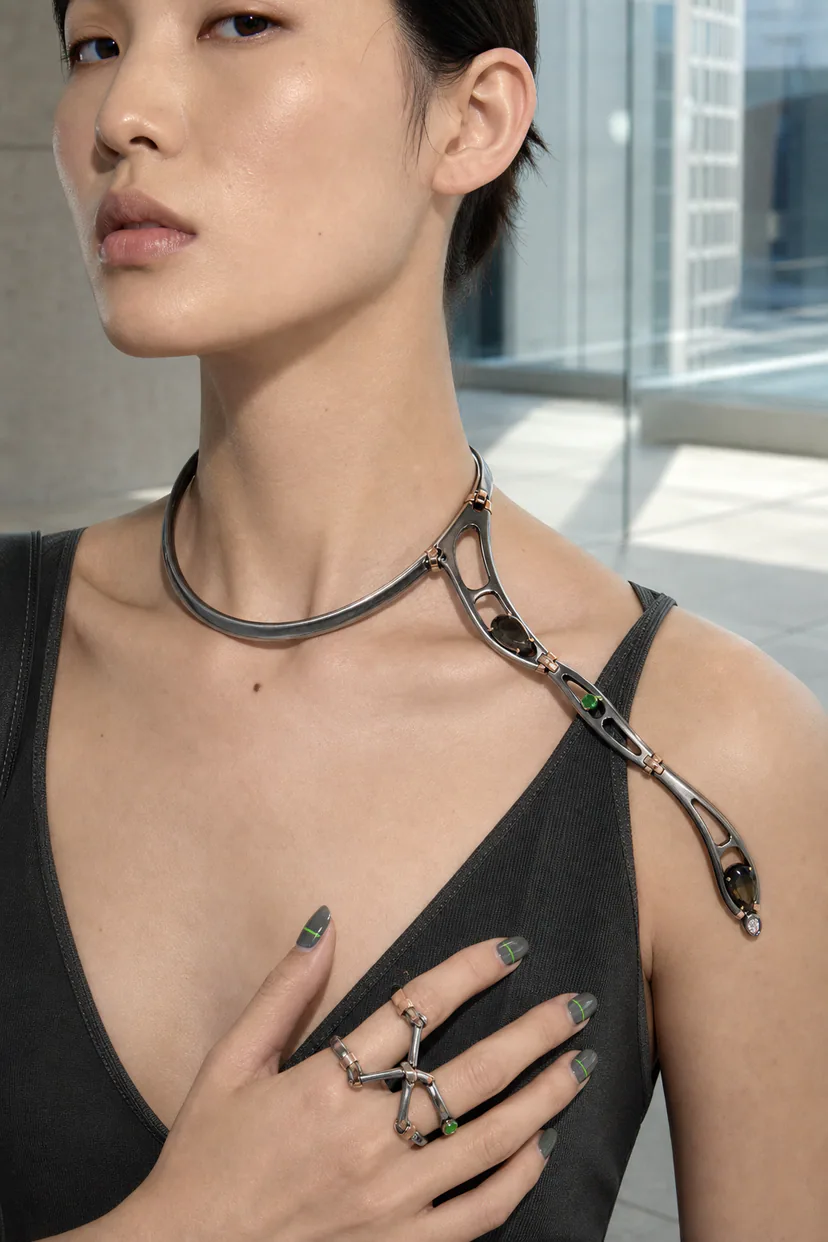
The concept of wearable sculpture describes jewelry that operates between piece and body. These pieces are not miniature versions of gallery sculptures; they are designed specifically for human movement. Their success depends on understanding both artistic intention and physical reality.
A wearable sculpture should create an experience when worn. It may change how someone moves, how light interacts with the body, or how an outfit is perceived. A large curved earring can transform the silhouette of the face. A dimensional ring can create a small architectural moment on the hand.
For anyone drawn to contemporary jewelry interested in contemporary design, wearable sculpture offers a way to own functional art. The piece becomes part of daily life rather than remaining separated behind glass.
Sculptural jewelry and the role of material storytelling
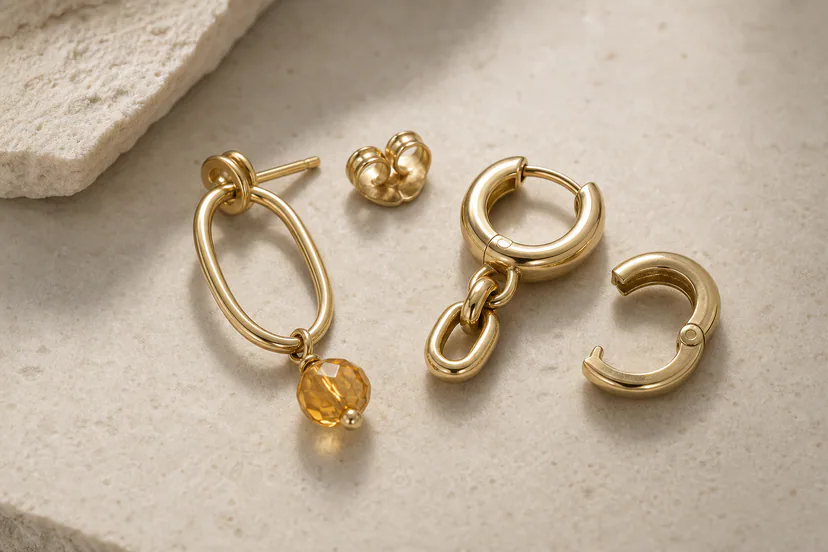
Sculptural jewelry emphasizes volume, construction, and three-dimensional presence. Unlike flat decorative pieces, sculptural jewelry invites attention from multiple angles. The wearer experiences not only the front view but also the side profile, shadow, reflection, and movement of the piece.
Material choices strongly influence this experience. Metals can communicate strength, precision, and permanence, while textured surfaces can create visual depth. Different finishes may alter how light interacts with a piece, changing its appearance throughout the day.
When evaluating sculptural jewelry, avoid assuming appearance alone reveals quality. Check material information, finishing methods, and care recommendations. Some surfaces may require gentle cleaning, while some structures may be more sensitive to impact or moisture.
Minimalist sculptural jewelry: restraint with artistic impact
Minimalist sculptural jewelry demonstrates that simplicity does not mean absence of character. Minimal forms can still contain strong concepts when proportion, negative space, and silhouette are carefully considered.
This approach is especially useful for people who want artistic jewelry that integrates naturally into everyday wardrobes. A restrained sculptural form can work with neutral clothing, professional settings, or casual styling because the design communicates through shape rather than excessive decoration.
The key is intentionality. Minimalist sculptural jewelry should feel considered rather than plain. Every curve, opening, and surface detail contributes to the overall experience.
What to notice before you choose biomorphic jewelry
Because biomorphic pieces often challenge traditional jewelry categories, a simple way to choose can help identify the right design:
1. Start with your body’s natural lines
Consider face shape, hairstyle, hand movement, and neckline. Jewelry should create conversation with the body rather than compete against it.
2. Choose your level of visual intensity
Some biomorphic designs are subtle through texture and curvature, while others create a strong statement through scale. Decide whether the piece is intended as an everyday piece or a focal point.
3. Examine construction and comfort
Confirm weight, closure security, and material suitability before purchasing. Artistic form should still support comfortable wear.
4. Consider wardrobe compatibility
Look at whether the piece works with existing clothing proportions. Sculptural jewelry often pairs well with simple silhouettes because the piece itself becomes the visual focus.
Frequently asked questions about biomorphic jewelry
What makes organic jewelry different from traditional jewelry?
Organic jewelry focuses on natural movement, irregularity, and fluid form rather than relying mainly on conventional symmetry or decorative patterns. It uses qualities found in nature as inspiration while creating original designs.
Is organic shape jewelry suitable for everyday wear?
Organic shape jewelry can be suitable for daily use when designers carefully consider weight, balance, closures, and comfort. The most wearable pieces combine expressive silhouettes with practical construction.
How is sculptural jewelry different from ordinary accessories?
Sculptural jewelry treats form, volume, and material presence as central design elements. It is created not only to decorate the body but also to create an artistic experience through shape and movement.
Can minimalist sculptural jewelry still make a statement?
Yes. Minimalist sculptural jewelry often creates impact through proportion, negative space, and carefully designed silhouettes rather than through excessive size or decoration.
The last word
Biomorphic jewelry represents a shift from jewelry as decoration toward jewelry as experience. By combining organic movement, sculptural thinking, and human-centered design, these pieces create a connection between body, material, and imagination. The most successful examples do not simply imitate nature; they reveal new ways of seeing it.
For anyone drawn to contemporary jewelry seeking pieces with artistic depth and everyday relevance, biomorphic design offers a rare balance: jewelry that can be worn, lived with, and continually reinterpreted.
Read next
- explore sculptural jewelry
- read the brutalist jewelry guide
- compare textured metal surfaces
- see fluid metal forms
- understand wearable art placement
Sources & further reading
A note from the editors: use these ideas as inspiration, then check the current product page for exact materials, dimensions, care and availability.