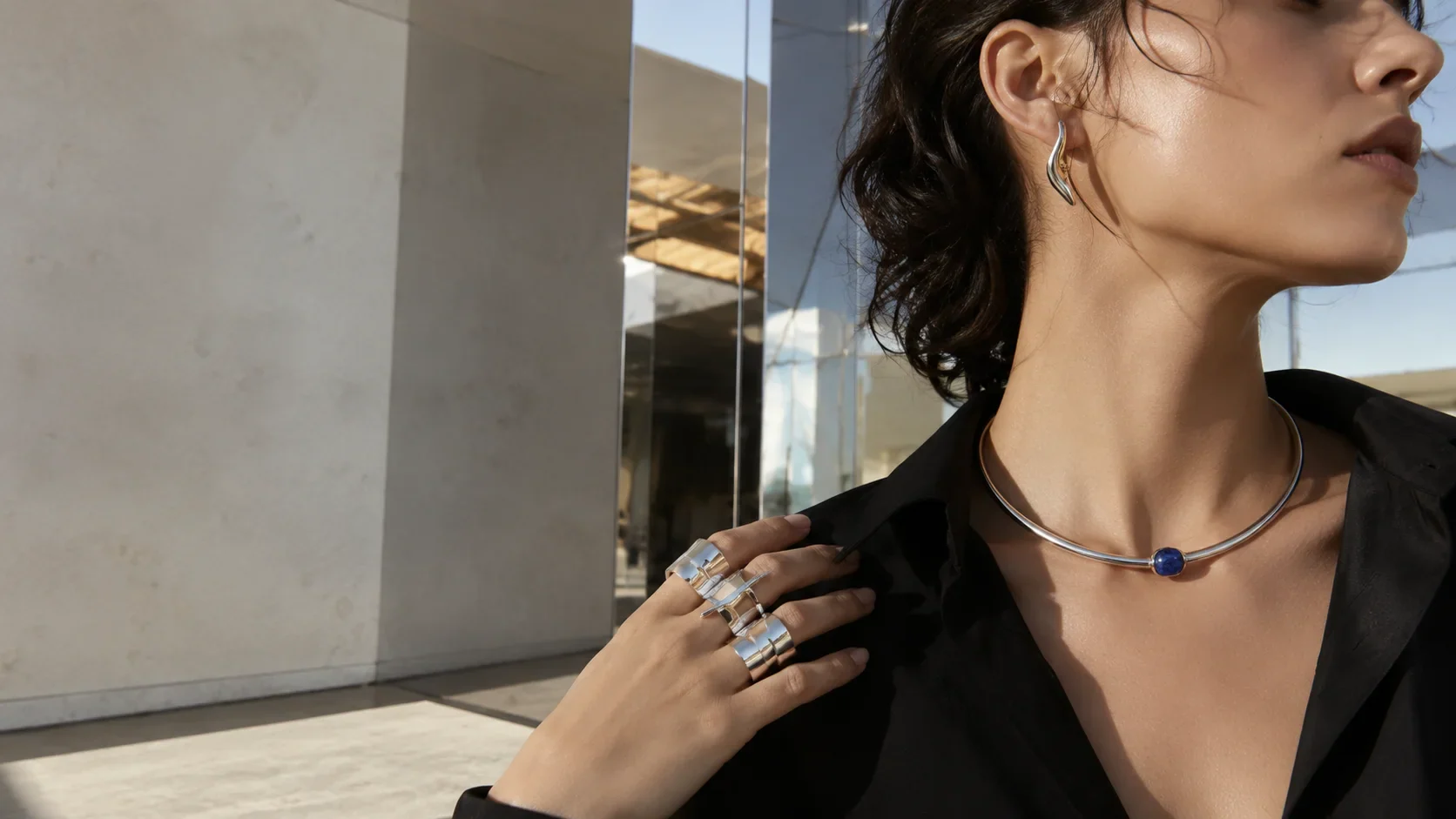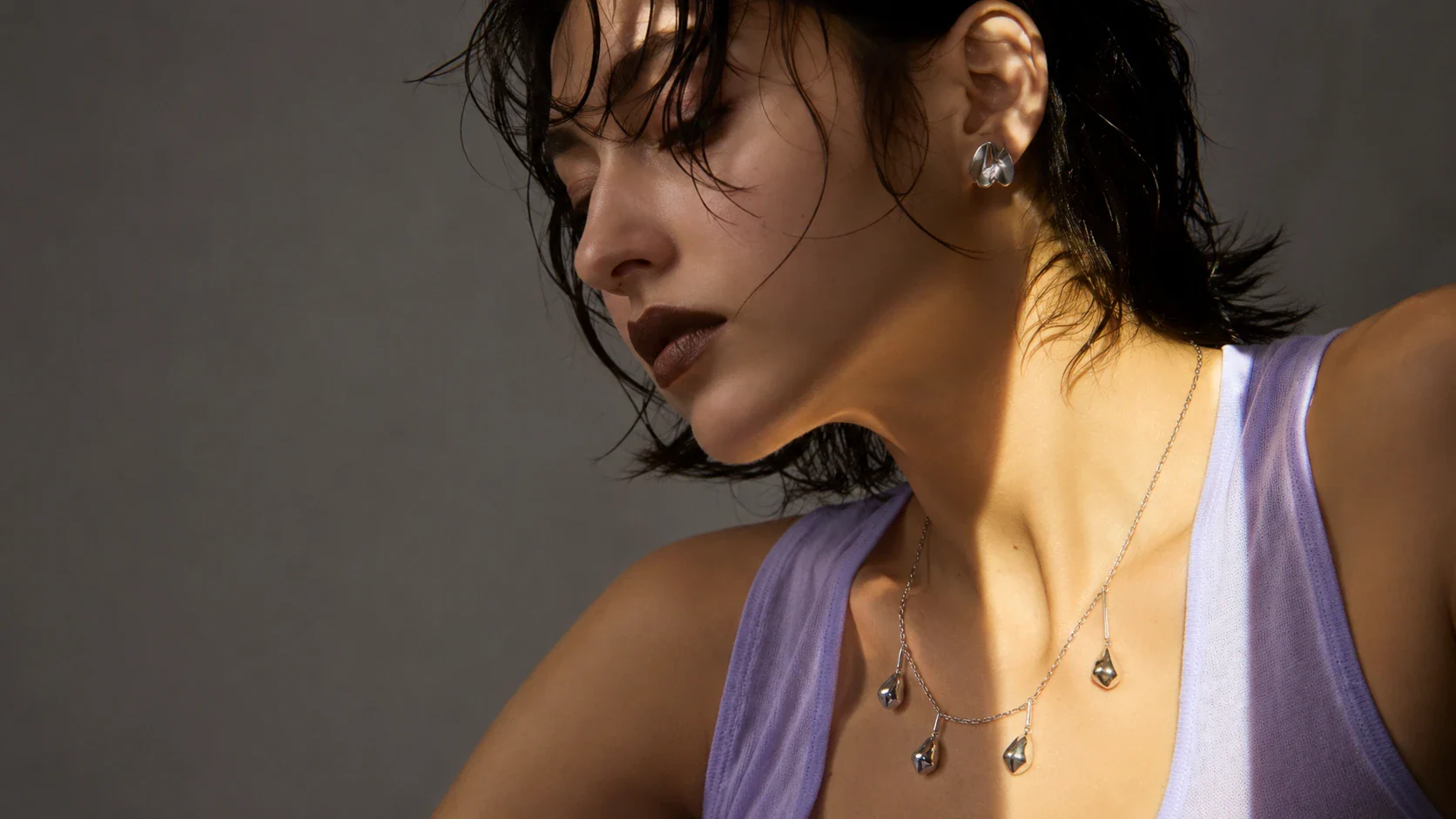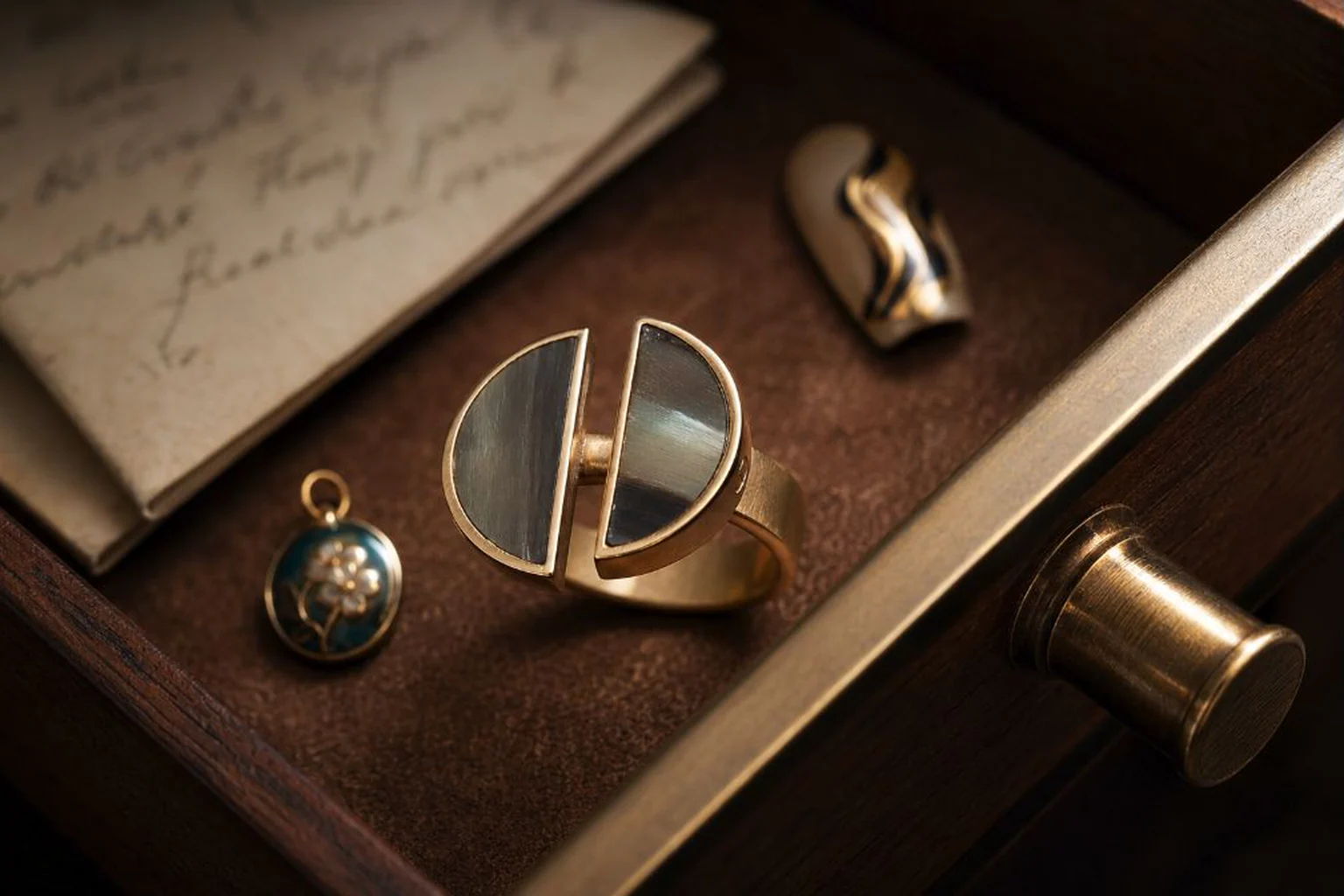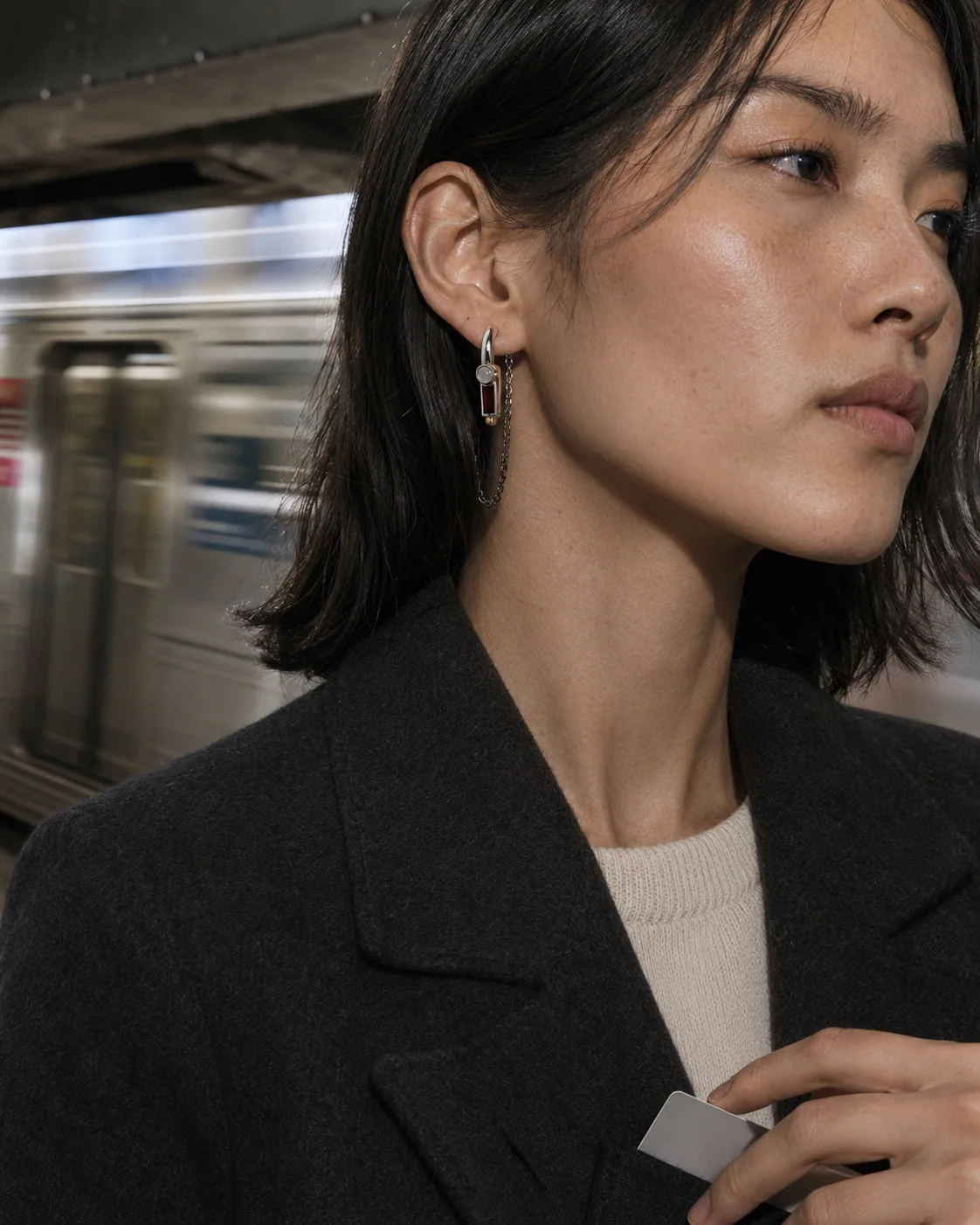
Convertible earrings understand that a day rarely keeps one dress code. Worn short for coffee and longer for dinner, the best designs transform with a clean fastening, comfortable balance and no visible fuss.
The central idea behind contemporary convertible earrings is not endless modification for its own sake, but intelligent design. The best convertible pieces offer meaningful changes in silhouette, balance, and visual rhythm while maintaining comfort and material integrity. They represent a broader shift toward thoughtful consumption, where one carefully considered piece can perform multiple aesthetic roles. For anyone drawn to contemporary jewelry of contemporary jewelry, this approach connects craftsmanship, functionality, and sculptural expression.
Why Convertible Earrings Represent a New Approach to Personal Style
Traditional earrings often define themselves through a fixed silhouette: a hoop remains a hoop, a stud remains a stud, and a drop earring keeps the same relationship with the ear every time it is worn. convertible earrings challenge this expectation by introducing an element of change. A detachable component, movable structure, reversible element, or interchangeable arrangement allows the wearer to reinterpret the same piece across different contexts.
This does not mean that every convertible design needs to be complex. Some of the strongest examples use simple mechanical choices: a removable drop, a reversible surface, a component that shifts from front-facing to ear-hugging, or a structure that changes length. The design intelligence lies in creating transformation without making the jewelry feel like a gadget.
For a contemporary wardrobe, this flexibility is especially valuable. A single pair can move from quiet daytime styling to evening expression, from professional environments to creative spaces. The wearer becomes part of the final composition, deciding how much visual presence the piece should have.
Modular Earrings: Designing Jewelry Through Components
Modular earrings are one of the clearest expressions of the convertible philosophy. Instead of treating an earring as one fixed piece, modular design considers jewelry as an approach of connected elements. Individual components can create different arrangements while maintaining a consistent visual language.
This approach has roots in architectural thinking. Buildings, furniture, and industrial pieces often explore systems where parts interact, adapt, and create multiple configurations. In jewelry, modularity introduces similar questions: How does one element support another? How does proportion change when a component is added or removed? How can a small structural choice transform the relationship between jewelry and the body?
Effective modular earrings require careful engineering. Connections need to feel secure without becoming visually distracting. Components should align naturally with the ear’s anatomy, and repeated assembly should not damage surfaces or weaken closures. A successful modular design feels intuitive: the wearer understands how it works without the mechanism becoming the main attraction.
Convertible Jewelry and the Value of Adaptability
The idea of convertible jewelry extends beyond earrings into a wider movement toward adaptable pieces. Modern consumers increasingly value pieces that can evolve rather than simply accumulate. Jewelry becomes less about owning many separate items and more about developing a meaningful relationship with fewer, better-designed pieces.
Earrings are particularly suited to this philosophy because the ear offers multiple zones for visual expression. A design can shift between subtle and dramatic by changing length, volume, placement, or layering. The same creative principle can support different identities: a restrained silhouette for daily wear, a stronger architectural form for an event, or a personalized arrangement that reflects individual taste.
However, adaptability should never replace quality. A convertible piece still requires careful attention to materials, finishing, durability, and comfort. A mechanism that technically creates multiple forms but feels fragile or uncomfortable does not achieve the promise of thoughtful design.
Modular Jewelry: When Function Becomes Part of the Aesthetic
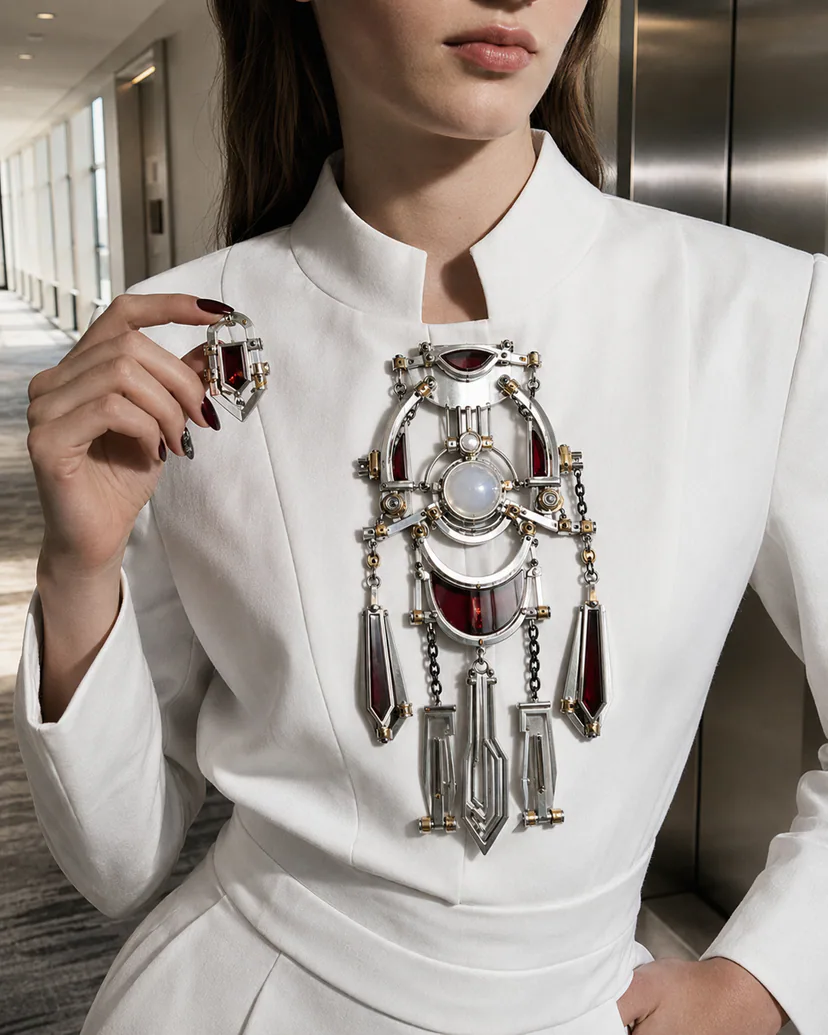
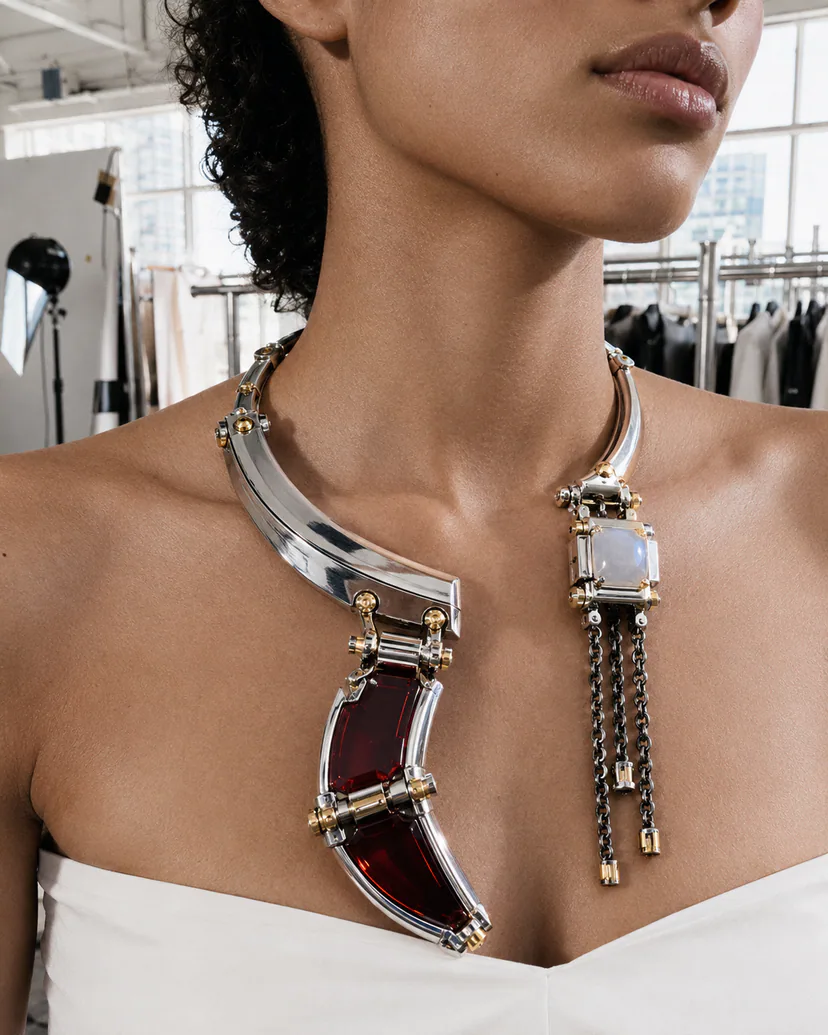
Modular jewelry explores the relationship between function and visual language. In successful designs, the joining points, removable sections, and structural transitions become part of the artistic expression rather than hidden technical solutions.
This perspective is particularly relevant to contemporary jewelry, where pieces are often considered wearable sculpture. A connector, hinge, clasp, or attachment point can communicate ideas about transformation, movement, and interaction with the body. Instead of hiding how a piece changes, designers can make the process itself visible.
For wearers, modular jewelry creates a more active experience. Putting on the piece becomes a small ritual of composition. The wearer chooses configuration, scale, and emphasis. This interaction creates a stronger emotional connection than a purely decorative piece because the final form is partially created through personal choice.
Ear Jacket Earrings: Creating Layers Around the Ear
Ear jacket earrings demonstrate how convertible thinking can transform a familiar category. These designs typically extend behind or below the earlobe, creating a layered effect that changes the visual relationship between front and back. Depending on construction, a wearer may be able to separate elements, adjust positioning, or create different levels of decoration.
Their appeal comes from their ability to frame the ear rather than simply decorate it. The earring becomes a small composition involving negative space, movement, and proportion. This makes them especially interesting for people who appreciate jewelry that feels closer to body architecture than traditional ornament.
When selecting an ear jacket design, consider the weight distribution carefully. A visually dramatic back element can become uncomfortable if the pressure is concentrated in one area. The most wearable versions balance visual impact with thoughtful engineering.
Ear Climber Earrings and Ear Cuff Earrings: Exploring New Positions
Ear climber earrings and ear cuff earrings both expand the traditional idea of where jewelry can exist on the ear. Rather than relying only on a hanging position from the piercing point, these styles interact with the ear’s natural curves.
Ear climbers create upward movement along the lobe, producing a sense of progression and direction. Their appeal often comes from asymmetry and visual flow. They can appear minimal from a distance while revealing more complex structure when viewed closely.
Ear cuff earrings introduce another possibility by creating the impression of additional placement without requiring multiple piercings. Fit becomes especially important because cuffs depend on gentle pressure and anatomical compatibility. A well-designed cuff should feel secure but should never create painful compression.
Sculptural Earrings: Convertible Design as Wearable Form
Sculptural earrings bring another dimension to convertible design by emphasizing shape, volume, and spatial relationships. Instead of treating jewelry as a small decoration attached to clothing, sculptural approaches consider the body as an environment where pieces can create visual experiences.
Convertible sculptural earrings can shift their expression through changes in orientation, configuration, or scale. A piece may reveal a different silhouette from the front, side, or back view. This creates a richer relationship between wearer and observer because the jewelry changes as the body moves.
The challenge is balancing artistic ambition with practical reality. Large forms require careful consideration of weight, attachment methods, and daily movement. A successful sculptural earring feels intentional rather than burdensome.
A Practical choice guide for Choosing Convertible Earrings
Before choosing a convertible design, consider four questions:
1. How many meaningful transformations does the piece offer?
A good convertible earring does not need ten configurations. Often, two or three genuinely different silhouettes provide more value than complicated mechanisms that are rarely used.
2. Does the transformation improve styling possibilities?
Consider whether the change creates a different mood or function. Can the piece move from understated to expressive? Can it adapt between casual and formal settings?
3. Is the mechanism comfortable and reliable?
Check closures, connection points, and moving parts. Jewelry should remain secure during normal activities while avoiding unnecessary pressure on the ear.
4. Does the material support long-term wear?
Different metals, finishes, and surface treatments require different care. Repeated adjustment can increase wear on connection points, so craftsmanship matters.
Material, Weight, Closure, Comfort, and Care Considerations
Convertible earrings require additional attention because they contain more structural elements than many traditional designs. Materials should be appropriate for skin contact, especially for sensitive wearers. Any coating, plating, or surface finish may require specific care instructions to maintain appearance.
Weight is another important factor. A dramatic silhouette may look impressive but become tiring if the load is poorly distributed. Before extended wear, test whether the earring remains comfortable during movement, conversations, walking, and daily activities.
Closures should be secure and easy to operate. A mechanism that is difficult to handle may discourage regular use, while a loose connection can create safety concerns. Store convertible earrings carefully to prevent components from scratching each other or becoming separated.
Frequently Asked Questions
What makes modular earrings different from traditional earrings?
Modular earrings are designed around interchangeable or adjustable components, allowing the wearer to modify the structure or appearance rather than using one fixed silhouette.
Are ear jacket earrings comfortable for everyday wear?
Ear jacket earrings can be comfortable when weight is balanced correctly and the attachment fits securely. Comfort depends on materials, construction, and individual ear anatomy.
How do ear climber earrings stay in place?
Ear climber earrings use carefully designed shapes and closures to follow the ear’s contour. Fit should feel stable without creating excessive pressure.
Are ear cuff earrings suitable for people without multiple piercings?
Ear cuff earrings are often designed to sit on the ear through gentle tension rather than requiring additional piercings, though comfort and fit vary between individuals.
Styling Convertible Earrings as Personal Architecture
The strongest way to wear convertible earrings is to treat them as part of a larger visual composition. Consider hairstyle, neckline, glasses, clothing structure, and personal proportions. A dramatic configuration may work best with simplified clothing, while a minimal configuration can add refinement to everyday styling.
The beauty of convertible design is that it encourages experimentation. The wearer does not simply purchase a finished image; they continue creating the relationship between piece and body over time.
:
- Explore sculptural approaches through Switchroom’s editorial on wearable forms and contemporary jewelry design.
- Read the guide to styling statement-focused jewelry for different occasions.
- Discover principles of minimalist jewelry composition and proportion.
- Explore material-focused jewelry care and maintenance guides.
- Learn more about contemporary approaches to asymmetrical jewelry styling.
Conclusion
Convertible earrings represent a future-facing approach to jewelry: adaptable, interactive, and deeply connected to personal expression. They transform the idea of ownership from collecting more pieces into developing richer relationships with carefully designed ones. Through modular thinking, sculptural experimentation, and thoughtful craftsmanship, these pieces become more than accessories. They become evolving forms that move with the wearer.
Read next
- understand modular earrings
- use the asymmetrical earrings styling idea
- see statement earrings with glasses
- explore jewelry for minimalist outfits
- browse the current jewelry edit
Sources and proof line
Editorial A small courtesy: styling ideas are practical choice tools, not universal fit, comfort, material, care, or product-availability guarantees. check each live product page.