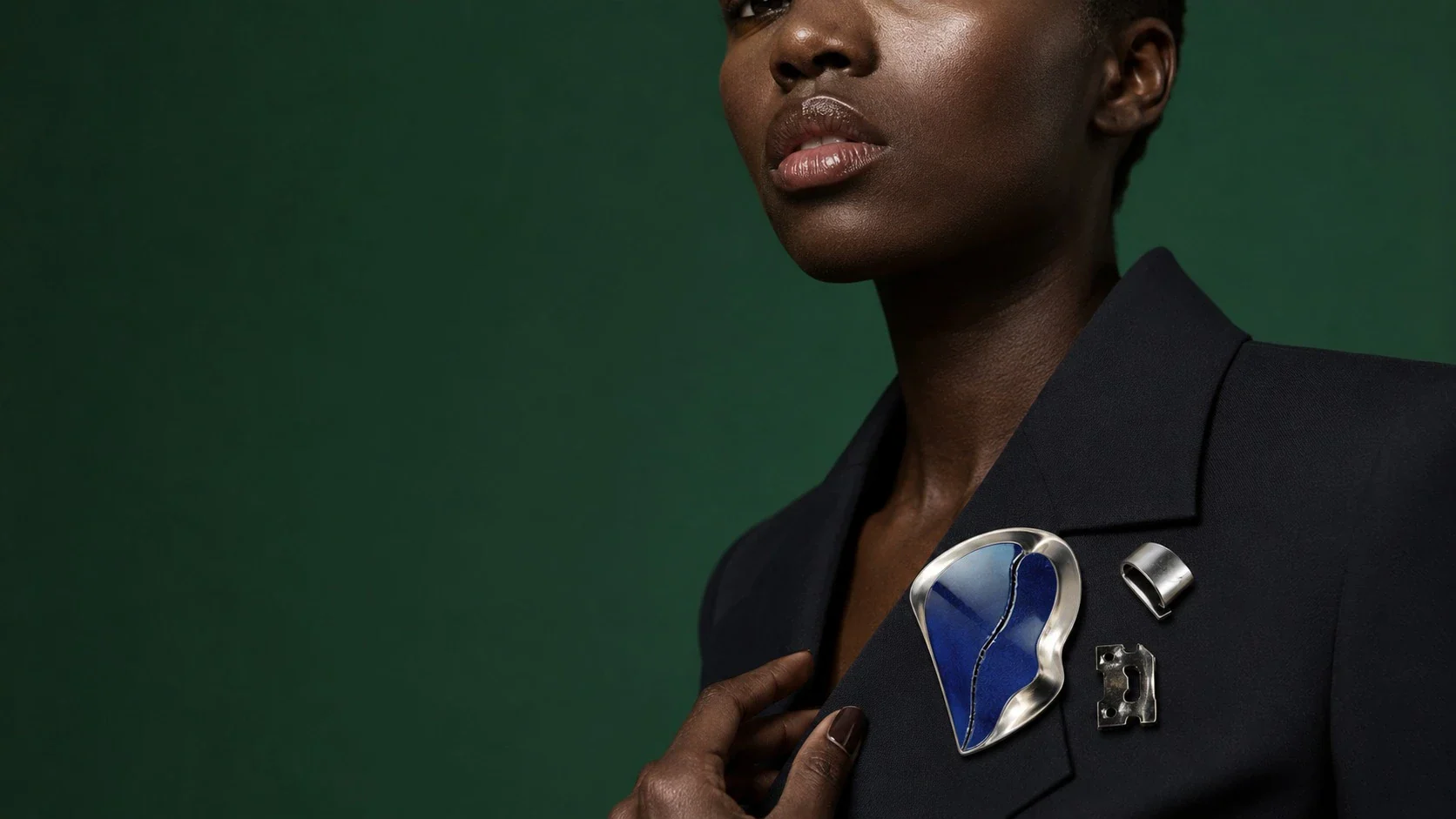
Symbol failure merchandise is what happens when we buy a piece for what it stands for—and then the piece shows up looking like it lost a fight with a printer, a factory floor, or basic reality. In merch culture, the product isn’t just a product. It’s a wearable declaration: a signal, a membership card, a tiny portable banner. And when quality, sourcing, or authenticity wobbles, the banner doesn’t gently droop. It becomes a punchline.
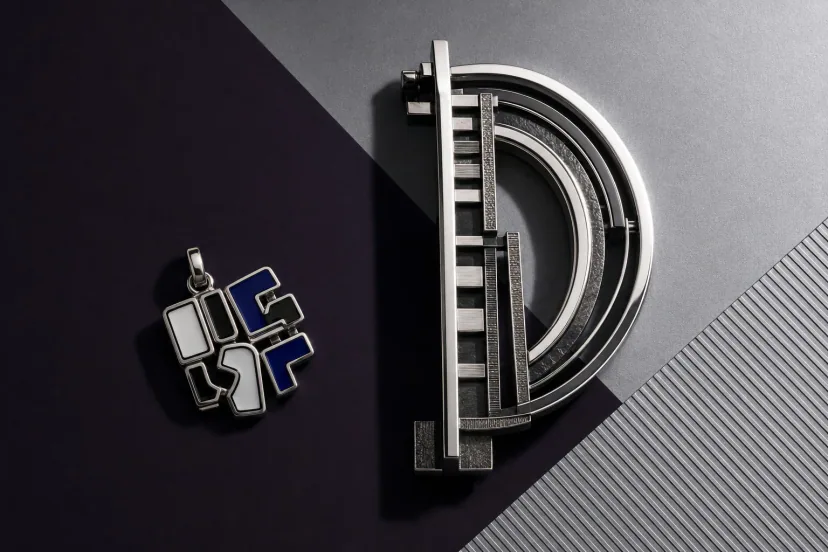
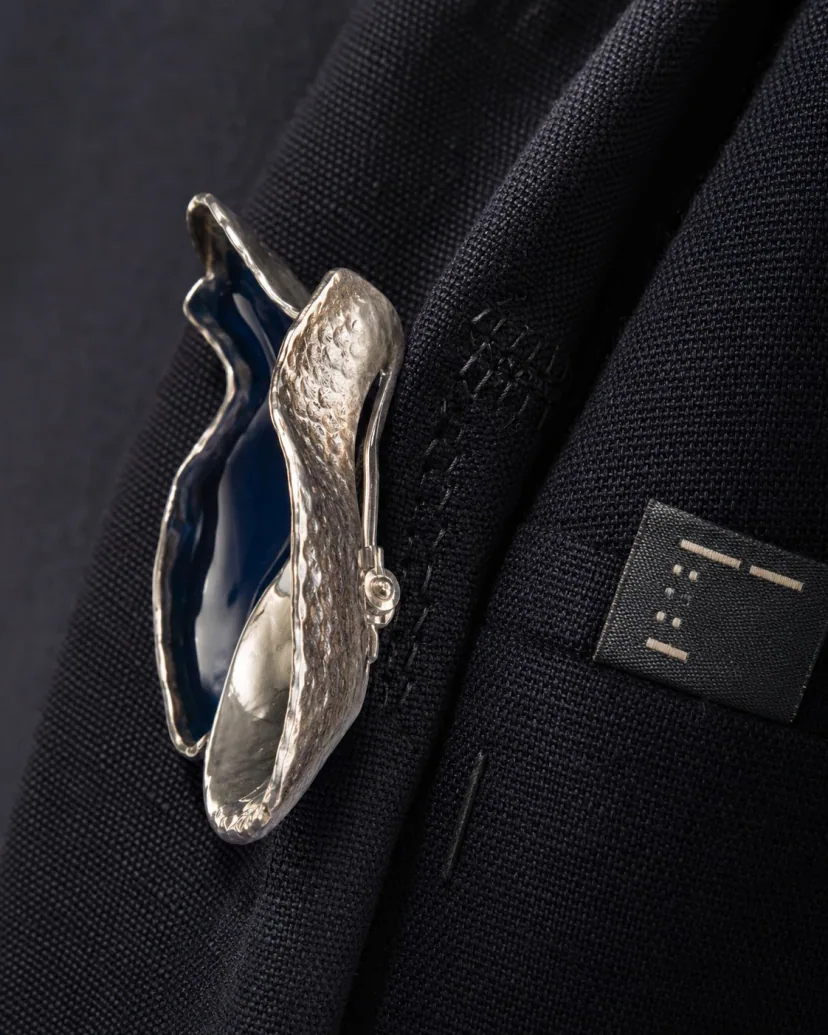
We’re not here to shame anyone for wanting symbols. Symbols are how humans make meaning. We’re here to talk about why symbol-driven merchandise is uniquely vulnerable to collapse—why a scuffed pin can become a meme, why an origin claim can trigger backlash, and why “it’s just merch” is rarely true once identity enters the chat.
Introduction: symbols, identity, and merchandise culture
Merch is the fastest way a cultural moment becomes a piece. A tour tee. A campaign hat. A drop that sells out before you finish blinking. Historically, we’ve worn affiliation for a long time—political buttons are a classic example of mass-produced wearable identity (as the National Park Service notes in its overview of campaign buttons), and museum collections treat badges as serious artifacts of protest, community, and belonging (see Museums Victoria’s politics and protest badges collection essay).
Modern merch just speeds up the cycle. The symbol gets designed, marketed, purchased, photographed, posted, and judged—sometimes all within a weekend. And because merch is symbolic, it’s evaluated differently from a plain white tee. In consumer research terms, products can function as signals—pieces we use to communicate identity, status, taste, or allegiance (the Journal of Consumer Research frames this as “products as signals”). In other words: you’re not “just buying cotton.” You’re buying a story the cotton is supposed to tell.
The catch? Signals need credibility. A symbol can be beautiful, but if the piece carrying it feels careless—poor stitching, wrong labeling, mystery sourcing—the symbol doesn’t stay pure. It becomes suspect. And suspicious symbols don’t get worn with pride; they get worn with irony.
Political & celebrity symbol failure merchandise that became irony
When merch fails, it rarely fails quietly. Because it’s not only a defective product—it’s a broken promise in public.
1) The “how did this ship?” failure: misspellings and wrong branding
A brutal kind of symbol collapse is the mistake that can’t be reframed: the misspelling, the wrong name, the off-brand detail that turns an intended emblem into accidental parody. A recent example circulated via NBC10’s clip of a misspelled, incorrectly branded Trump watch replacement being unboxed. Regardless of anyone’s politics, the cultural mechanism is the same: a symbol intended to project seriousness becomes comedy the moment basic brand control slips.
Pop culture has its own version. Teen Vogue reported on a teen ordering a Halsey “hopeless” choker that arrived misspelled as “hoelesss” (Teen Vogue’s viral misspelling story). The error didn’t merely disappoint; it became the meaning. The piece stopped being “music merch” and became “internet artifact.”
2) The “it didn’t survive the washing machine” failure: quality versus expectation
Symbolic merch often comes with elevated expectations: if this is my tour, my era, my moment, the shirt should hold up. Teen Vogue covered fans saying Taylor Swift’s Eras Tour shirts faded after one wash (Teen Vogue on Eras merch fading), and the LA Times summarized the response framing the look as “distressed” and offering exchanges for dramatic fading (LA Times on the “distressed” explanation).
We’re not litigating who was “right.” We’re observing what always happens: the moment quality becomes questionable, the symbol shifts from “I belong” to “I have a receipt.” The conversation becomes forensic. Screenshots appear. The piece is no longer simple wardrobe filler; it says something.
3) The “the origin story doesn’t match the origin label” failure
Origin claims are powerful because they’re shorthand for values: labor, locality, patriotism, craft, regulation, accountability. TIME covered Jimmy Kimmel’s critique of Trump-branded items with “Made in China” labels (TIME’s coverage of Kimmel’s Trump merch segment). ABC7 also described the allegation that some items lacked country-of-origin markings (ABC7 on the origin-label questions).
Even outside politics, you can feel the pressure point: if the merch sells a value-based identity, then a mismatch between claim and label reads as disrespect. Not “oops.” Disrespect.
4) The “merch as cautionary relic” failure
Sometimes the symbol doesn’t just backfire; it fossilizes into a warning. The U.S. Marshals Service announced it was selling items seized from the Fyre Festival fraud scheme (U.S. Marshals on selling Fyre Festival items). At that point, the merch is no longer aspirational. It’s a museum piece of a fiasco—proof that pieces can outlive narratives, even when the narrative collapses.
Symbolic semiotics and audience interpretation
Let’s put one foot in theory—briefly, promise. Semiotics is the study of signs and symbols and how they produce meaning (Britannica’s overview of semiotics). The key idea is simple: meaning isn’t stored inside a piece like a battery. Meaning happens in interpretation, in context, in a shared cultural code.
Philosopher C.S. Peirce described signs through a relationship between the sign, what it refers to, and the interpretant—basically, the understanding formed in a viewer’s mind (Stanford Encyclopedia of Philosophy on Peirce’s theory of signs). This is why merch is so volatile. The interpretant can change overnight. A label screenshot, a viral thread, a single unboxing clip—and the interpretant flips from “cool affiliation” to “this is embarrassing.”
There’s also a social dynamic: once a piece becomes a meme, it can be re-worn as a joke on purpose. Research in the Journal of Consumer Research examines “ironic consumption,” where consumers use pieces to communicate distance from the piece’s conventional meaning (JCR’s article on ironic consumption). That’s the full symbol backfire: the item still signals—just not what the brand intended.
If you want a surprisingly tender historical counterpoint, consider how mourning jewelry and hairwork carried meaning through material specificity—intimacy, consent, and care. We unpack that lineage in hairwork and mourning jewelry history, because it’s a reminder that “symbol” used to imply real material commitment, not just graphic design.
Production realities: supply chain meets symbolic promise
Symbol-driven merch doesn’t fail because people are shallow. It fails because people are precise. We notice when a story is trying to outrun its own materials.
Origin isn’t a vibe. It’s a compliance ecosystem.
In the U.S., country-of-origin marking exists so the ultimate purchaser can know where an imported item was made—CBP lays out the logic and expectations in its guidance (CBP on marking country of origin on U.S. imports). The underlying statutory requirement is in 19 U.S.C. § 1304, which generally requires imported articles to be marked with the English name of the country of origin unless an exception applies (19 U.S.C. § 1304).
Then there’s marketing language. The FTC warns companies to comply with “Made in USA” requirements and reiterates that these claims have standards and enforcement conseries (FTC press release on “Made in USA” compliance). When an origin claim is treated as pure branding—and not as a legal, documented supply-chain reality—you’re basically lighting a match next to your own symbolism.
When receipts don’t exist, the audience invents them for you
Axios recapped the FTC’s action against Lions Not Sheep after the agency found the company had removed “Made in China” tags and replaced them with “Made in USA” tags (Axios on Lions Not Sheep and tag switching). That’s a case where the symbol doesn’t simply fail—it reverses. The brand ends up symbolizing the very thing it claimed to oppose: deception.
This is why we keep saying “receipts.” Not as a flex, but as a survival strategy in a culture that can fact-check your seams. If you want the deeper cultural frame, we wrote about it in Gen Z’s idea of real: receipts over mysticism.
Visibility is not an aesthetic add-on
Supply chain visibility is increasingly linked to consumer trust. MIT Sloan’s reporting on research in this space frames visibility investment as a trust builder (and sometimes a sales builder) (MIT Sloan on supply chain visibility and trust). In merch culture, that trust is not abstract. It’s the difference between “this symbol fits me” and “this symbol is cosplay.”
If you want a dedicated deep dive on this exact seam—where production meets meaning—we built it as a companion: Supply chain vs symbolic promise.
Design principles for sustainable symbolic coherence
If symbols can backfire, what’s the alternative—no meaning, just stuff? Not our style. The alternative is coherence: the symbol and the substance agreeing with each other in public.
1) Design the “failure mode” (and don’t pretend you didn’t)
Every piece fails eventually. The question is how. If a plating will wear, name it, design it to patina gracefully, and set expectations. If a print is meant to crack, show it. If you don’t control the failure mode, the internet will.
2) Choose materials that can carry meaning for years, not weeks
Symbolic merch often behaves like a disposable prop. But when a piece is meant to be identity-adjacent, longevity is part of the ethics. Durable joinery, repairable components, and finishes that age honestly turn the symbol into a companion rather than a temporary costume.
3) Make “where it’s made” legible—and keep it consistent
Origin stories should be boring in the best way: documented, repeatable, and aligned with labels. If you claim local production, define what you mean. If you assemble in one place and source components from another, say so. The symbol doesn’t need perfection. It needs truth.
4) Consent is part of craft when meaning gets intimate
Not all symbolism is public-facing. Some is personal: keepsakes, reclaimed materials, story-bearing pieces. That’s where limits matter. We outline what we mean by consent-forward making in keepsake ethics and consent, because “meaning” without consent is just extraction with better lighting.
We also expanded these principles into a full companion piece: Sustainable symbolic design principles.
Switchroom: intentional symbolic strategy (portable installations, not hype)
Our thesis has always been portable installations—small pieces that let you switch rooms, personas, and moods without losing integrity. We’re not anti-symbol. We’re anti-symbol-as-shortcut.
That means a few operational commitments:
- Material honesty over vibe: we try to make every finish, join, and edge tell the same story the concept does.
- real transparency: we’d rather show the trade-offs and choices than cosplay perfection. (Again: receipts over mysticism.)
- limits built into the narrative: when materials or stories are intimate, we treat consent and limits as part of design, not an afterthought. See how Switchroom handles intimate materials and limits.
- Hygiene and trust as basics: wearable pieces touch skin, hair, clothes, and shared spaces. We don’t do fearmongering, but we do practices and clarity—here’s our guide to jewelry hygiene and trust.
In other words: we’re interested in symbolism that can survive being handled. Being washed. Being questioned. Being reposted. Because the real flex isn’t that a symbol sells out. It’s that it still means something after the unboxing.