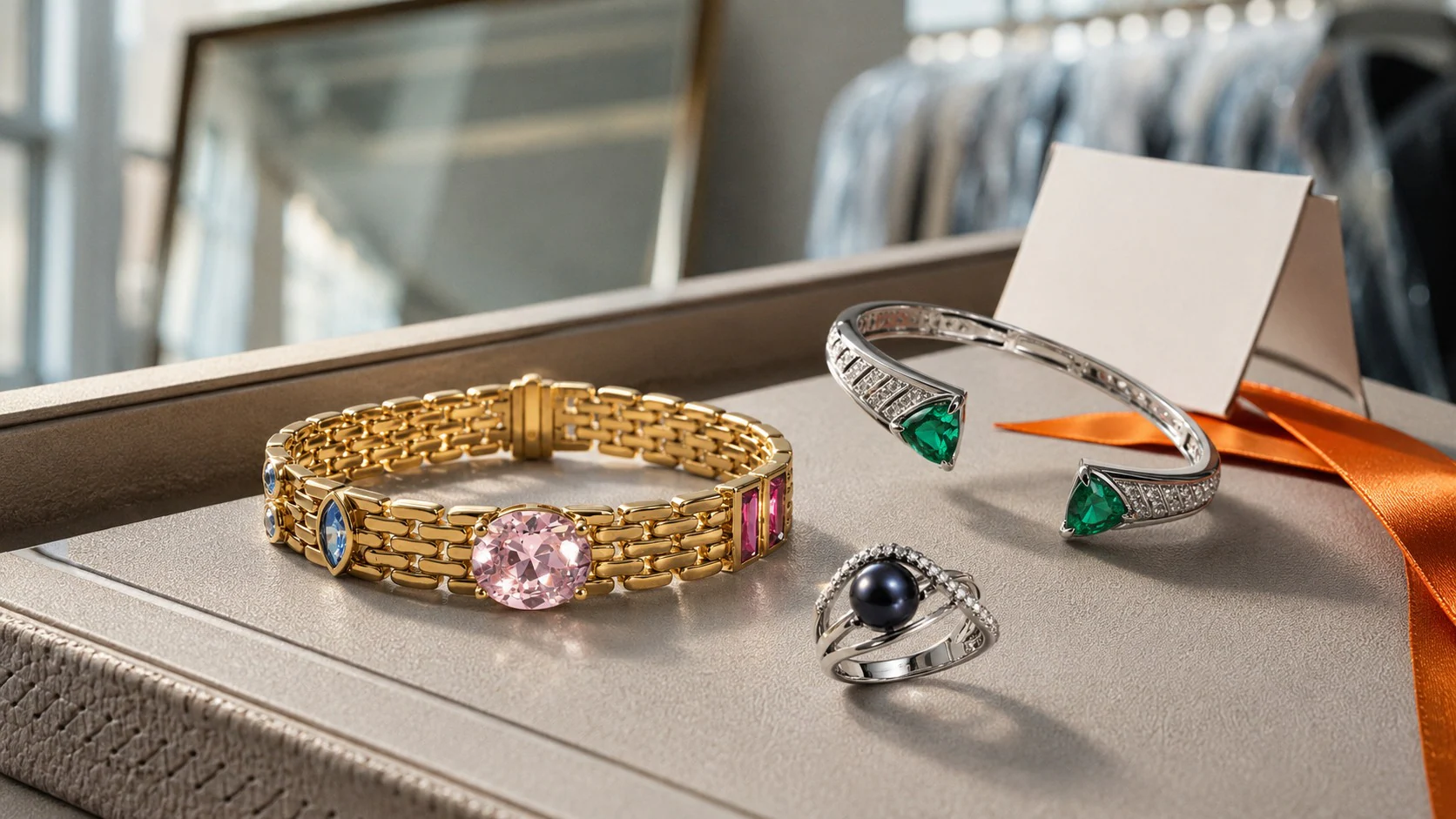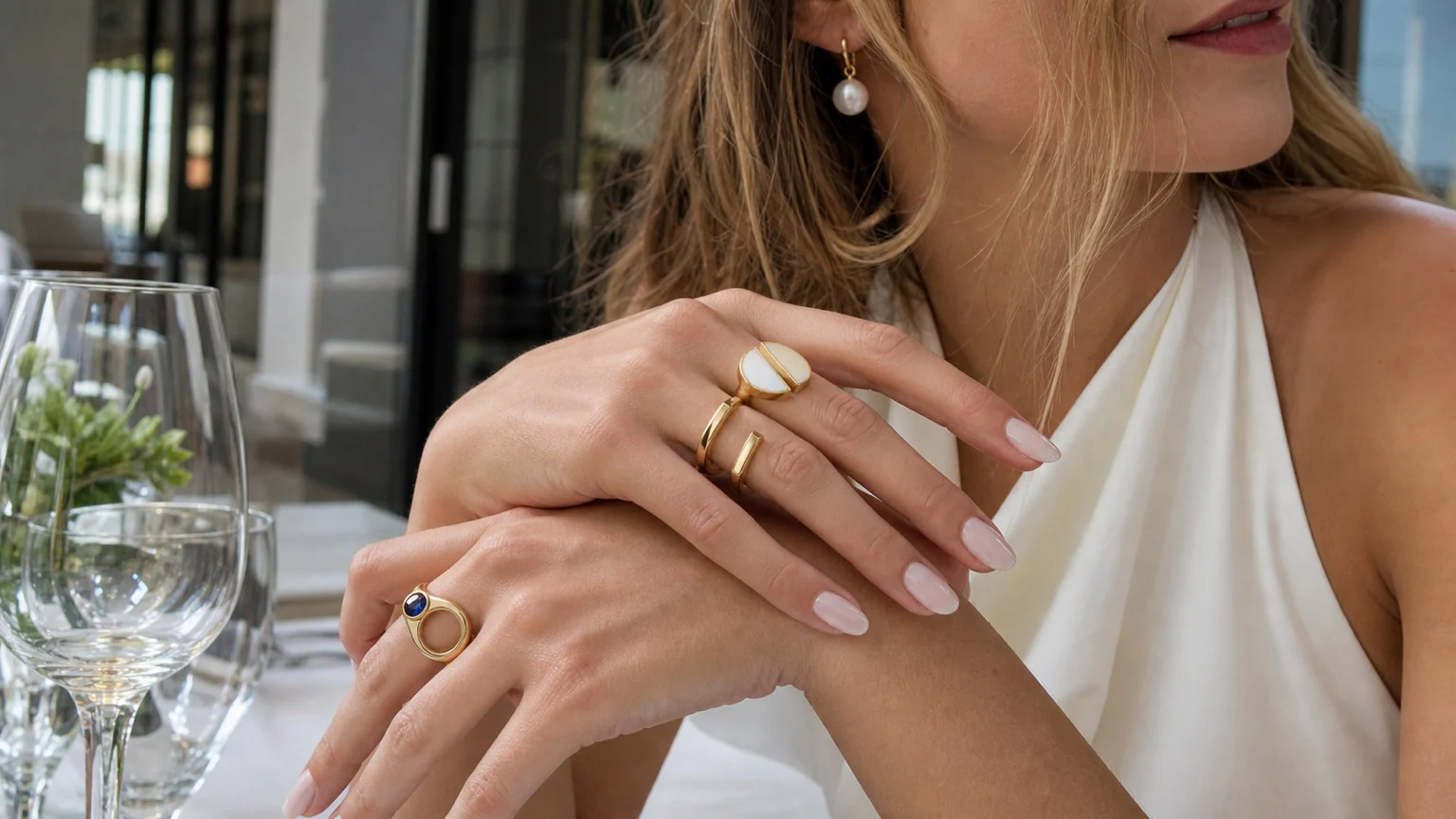
618 entry point sounds like a shopping code, but we prefer to treat it as a doorway. In the heat of June, the wardrobe is usually moving fast: bare wrists, linen creases, a bag on the shoulder, a hand crossing sunlight on a café table. Culturally, the sharper question is not how much you can collect, but which first piece can change the room around what you already wear. So our 618 entry point begins with the hand, then lets the rest of the look answer.
What Does 618 Entry Point Mean for a A Hand-Styling Start?
If you arrived here expecting a router, a trading chart, or a software term, this is the other door. In Switchroom language, a 618 entry point is the first clear choice for the June 18 shopping season: one hand-scale piece, one neutral base, one vivid accent, and no cart panic. It is an entry because it should open a look, not start a pile.
Real summer dressing is not a runway moodboard. It is sweat on the subway platform, sunscreen on the wrist, a white shirt worn twice in one week, a black tank that saves every afternoon, a bag that becomes the small architecture of your day. A full wardrobe reset asks too much. A 618 entry point asks one better question: what is the smallest piece that can make the repeated outfit feel deliberate?
We start with the hand because the hand is always in the scene. It lifts a glass, finds a key, holds a phone, opens a door, signs a receipt, rests on a table before anyone sees the full silhouette. The hand is intimate without being hidden. It is close-range styling, which means it rewards precision.
The 618 Entry Point Problem: Real Summer Life, Not Trendbait
Summer can make clothes simpler and choices louder. When the body wants fewer layers, accessories carry more of the language. That does not mean adding more. It means choosing the first piece with enough structure to make a neutral base feel edited.
Our 618 entry point is built for the person who already owns the summer uniform: gray tee, ivory tank, black dress, denim, white cotton, taupe linen, a bag that goes everywhere. The missing piece is not another entire persona. It is a portable starting point. This is not a makeover. It is a scene change.
The trap of shopping season is that everything tries to become urgent. We would rather make the first purchase calmer and more exact. A brooch can move the eye from a shirt collar to a shoulder line. A bag charm can turn the daily bag into a small room. Curated press-on nails can make the hand the beginning of the look. The best 618 entry point is the piece you can repeat without explaining it to yourself every morning.
The Switchroom Edit: Room, Drawer, Ratio, Formula
Room: choose atmosphere before piece
A room is not a theme. It is a set of limits. Mood Boxes exist for that reason: they begin with atmosphere, then narrow the piece field. Do you want reflection, softness, heat, depth, or a darker little corridor? Once the room is chosen, the piece stops shouting for attention and starts holding the architecture.
Drawer: build a small repeatable set
The drawer is where the edit becomes honest. If a 618 entry point has no place to live, it will become clutter. We like a drawer with three zones: the base pieces you repeat, the vivid piece that changes the scene, and the care pieces that keep everything wearable. A drawer is a private edit, not a trophy case.
Ratio: keep the vivid accent visible
Our ratio is simple: reference-led color and material direction as atmosphere, one noble accent at as one focused accent of the look. Not a tiny apologetic dot. Not a full-color takeover. The vivid accent should be visible enough to direct the eye: cobalt enamel against mist gray, lacquer orange against taupe, jade beside smoky ivory, ruby red held by warm shadow gray.
Formula: neutral base + metal temperature + one vivid material
The formula makes the 618 entry point practical. First choose the neutral base: warm pearl gray, mist gray, greige, taupe gray, smoky ivory, or warm shadow gray. Then choose metal temperature: chrome and silver for clarity, warm metal for depth, brushed or darkened metal for a quieter room. Then choose one vivid material: enamel if you want a crisp color plane, lacquer if you want depth and shine, pearl if you want light softened, gemstone color if you want the accent to feel mineral rather than graphic.
What to buy first
If your wardrobe is already neutral
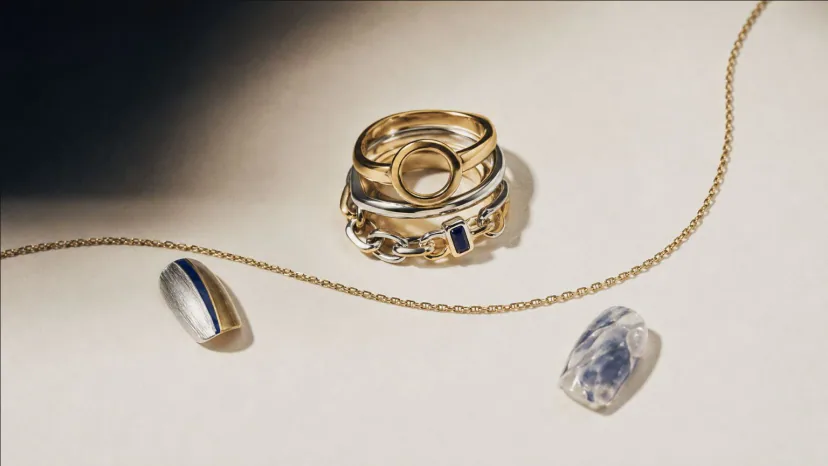
Buy one vivid hand piece first. Not three. Choose a press-on nail set, finger sculpture, or small modular adornment that can sit against your daily neutrals. The A Hand-Styling Start works because the piece is near the body’s gestures, not buried in a full outfit formula.
If your bag repeats every day
Start with a bag charm. A charm turns the bag into portable architecture, especially when the clothing is plain. Choose one metal temperature that relates to your bag hardware, then let the vivid accent do the room-switching.
If your clothes need a focal point
Start with a brooch. A sculptural brooch can redraw a neckline, collar, pocket, scarf, or jacket lapel. For a 618 entry point, choose one strong form rather than several small decorations. The one-sculpture rule keeps the first choice clear.
If your hand is already a ritual
Start with curated nails or a finger-scale piece. We think of press-on nails as wearable sculpture, not disposable mood noise. Keep the steps clear: size carefully, apply to clean and dry nails, avoid irritated or damaged areas, follow product directions, and remove gently. For detailed product care, use our Care & Sizing page.
What can wait
The second vivid color can wait. The second metal family can wait. A full set can wait. A 618 entry point should prove itself in daily movement before it asks for company.
Three 618 Entry Point Styling Formulas
Formula 1: Mirror Room — mist gray, chrome, cobalt
For the reader whose summer uniform is white cotton, black tanks, pale denim, and clean shirting, the Mirror Room formula keeps everything sharp without becoming cold. Begin with mist gray or smoky ivory. Add chrome, silver, or a white-metal finish. Then place one cobalt or Klein blue accent in enamel.
The first piece: a nail set with a chrome edge, a small cobalt charm, or a brooch that behaves like a reflective hinge. The material note matters: chrome catches movement; enamel holds color still. Together they create tension. Avoid adding turquoise, ruby, and marigold in the same first room. Let cobalt do the work.
Formula 2: Chocolate Room — taupe gray, warm metal, lacquer orange
The Chocolate Room formula is for people who want warmth without sweetness. Begin with greige, taupe gray, warm shadow gray, or brown-black leather. Add warm metal: brass tone, soft gold tone, or darkened metal with a warmer cast. Then choose one vivid accent: lacquer orange, peony rose, or ruby red.
The first piece: a bag charm if your daily bag is brown, black, taupe, or gray; a brooch if your summer shirts are simple; a warm nail accent if your hands carry the look. Lacquer gives color depth, almost like a lit doorway. Keep the accent around 10% of the visible field. Too small, and it becomes an apology. Too large, and the room loses its shadow.
Formula 3: Mood Box Starter — smoky ivory, pearl, jade
The Mood Box starter formula is quieter, but not passive. Begin with smoky ivory or warm pearl gray. Add pearl, brushed metal, or a soft satin surface. Then choose jade, malachite, or peacock as the vivid note.
The first piece: a curated box if you want surprise within limits, or a standalone hand piece if your summer uniform is already established. Pearl softens light; jade gives it a mineral edge. This 618 entry point works beautifully with black dresses, ivory tanks, gray linen, and denim because it gives the hand a small archive of color without turning the whole outfit into a costume.
A Curatorial Note: One Piece Is Enough When It Has a Room Inside It
A brooch is not smaller than a jacket if it changes where the eye begins. A nail is not less architectural than a cuff if it changes the hand’s silhouette. A charm is not an extra if it changes the way the bag enters the room. We are not asking one piece to solve the wardrobe; we are asking it to open a room.
That is the deeper 618 entry point: one piece with enough material intelligence to become repeatable. A pearl-gray ground. A lacquer edge. A chrome flash. A cobalt line. A small shift you can carry without becoming trapped inside a single style identity.
Common 618 Entry Point Mistakes
Buying accents before choosing a base
If the base is unclear, every accent looks tempting. Choose warm pearl gray, mist gray, greige, taupe, smoky ivory, or warm shadow gray first. Then choose the accent. The 618 entry point fails when color arrives before the room exists.
Making vivid color too timid
A vivid accent should have presence. If the subject calls for visual energy, do not reduce cobalt or lacquer orange to a pinprick. Use the a focused accent rule and let the material speak.
Mixing metals before the first piece settles
Metal is temperature. Chrome cools the room. Warm metal deepens it. Brushed metal softens the edge. For the first 618 entry point, pick one metal temperature and let your second piece complicate things later.
Confusing novelty with mood
Novelty is loud for one day. Mood returns. If a piece only works with one outfit, one pose, or one post, let it wait in the corridor.
Ignoring hygiene and limits
Hand-scale pieces are intimate. Do not share nail items casually. Keep storage clean and dry. Follow sizing, application, and removal directions. If skin or nails are irritated, pause. Transparency is not fear; it is respect for the body that wears the room.
Where to Go Next Inside Switchroom
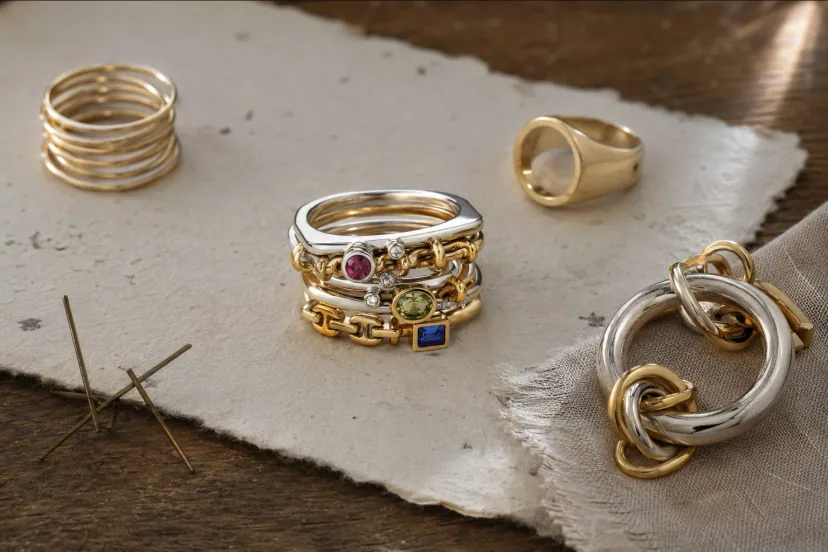
If you want the practical formula, continue to our Starter Mood Box guide. If you want the slower argument behind buying one piece, read why discount is not the story. If your room is already clear, enter the Shop; if the right box has not appeared yet, the smarter 618 entry point may be waiting.
FAQ
What does 618 entry point mean at Switchroom?
At Switchroom, 618 entry point means the first intelligent piece to choose for the June 18 shopping season: a hand-scale piece, box, brooch, charm, or nail set that gives a neutral summer wardrobe one clear room.
What should I buy first if I only want one piece?
Start with the piece that touches your repeated gesture. If your hands carry the look, choose press-on nails or a finger-scale piece. If your bag repeats daily, choose a charm. If your clothing is simple, choose one sculptural brooch.
How much vivid color is enough?
Use the a focused accent rule. The vivid accent should be visible enough to structure the look, but not so large that it fights the neutral base. Think cobalt enamel on mist gray, lacquer orange against taupe, or jade beside smoky ivory.
Are press-on nails part of jewelry styling?
Yes. We treat curated press-on nails as hand-scale wearable sculpture, with clear care, sizing, and removal limits. The 618 entry point is not about buying more; it is about finding the first room your hand can carry.