
Journal
Jewelry for Business Casual: The Fastest Way to Look Intentional
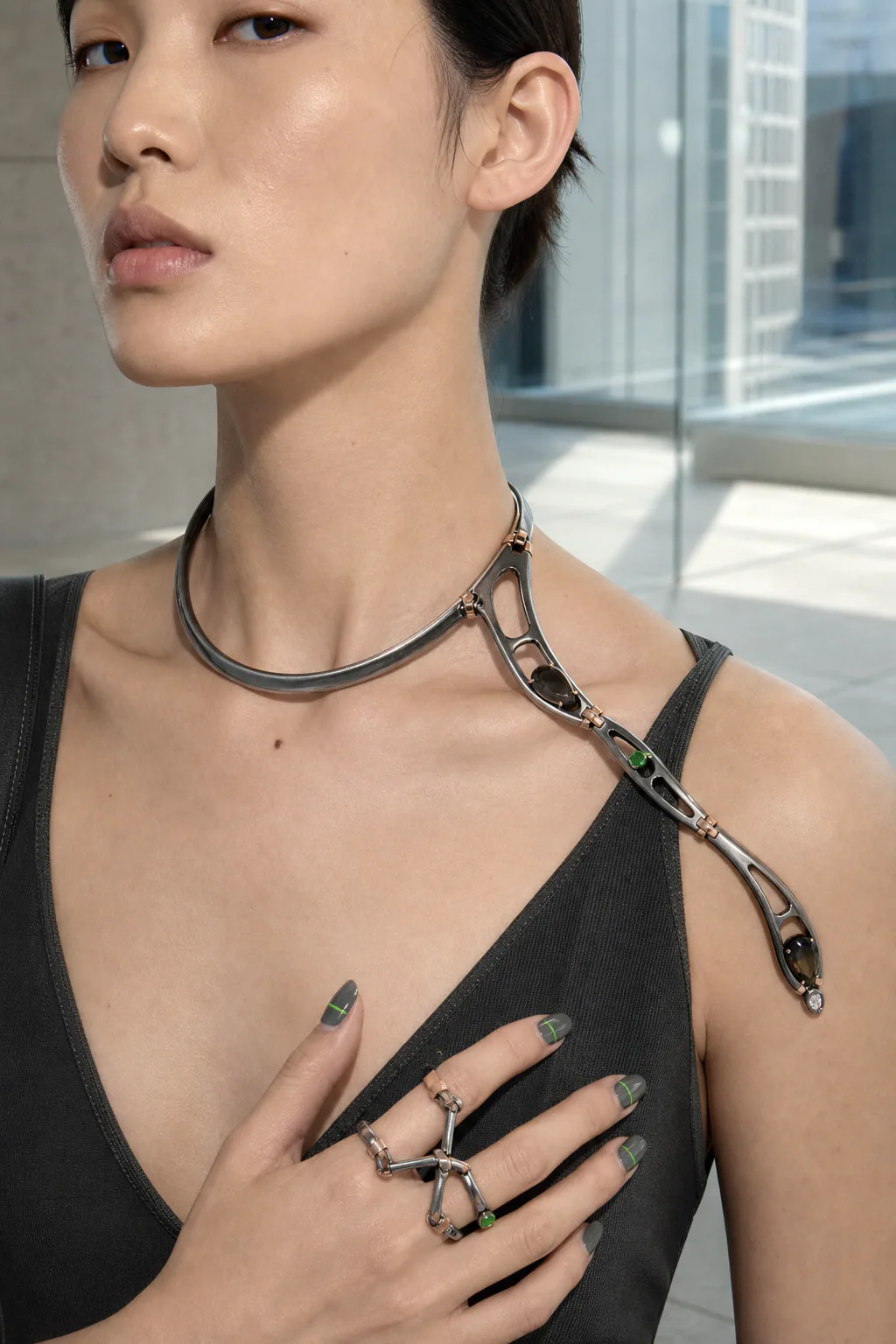
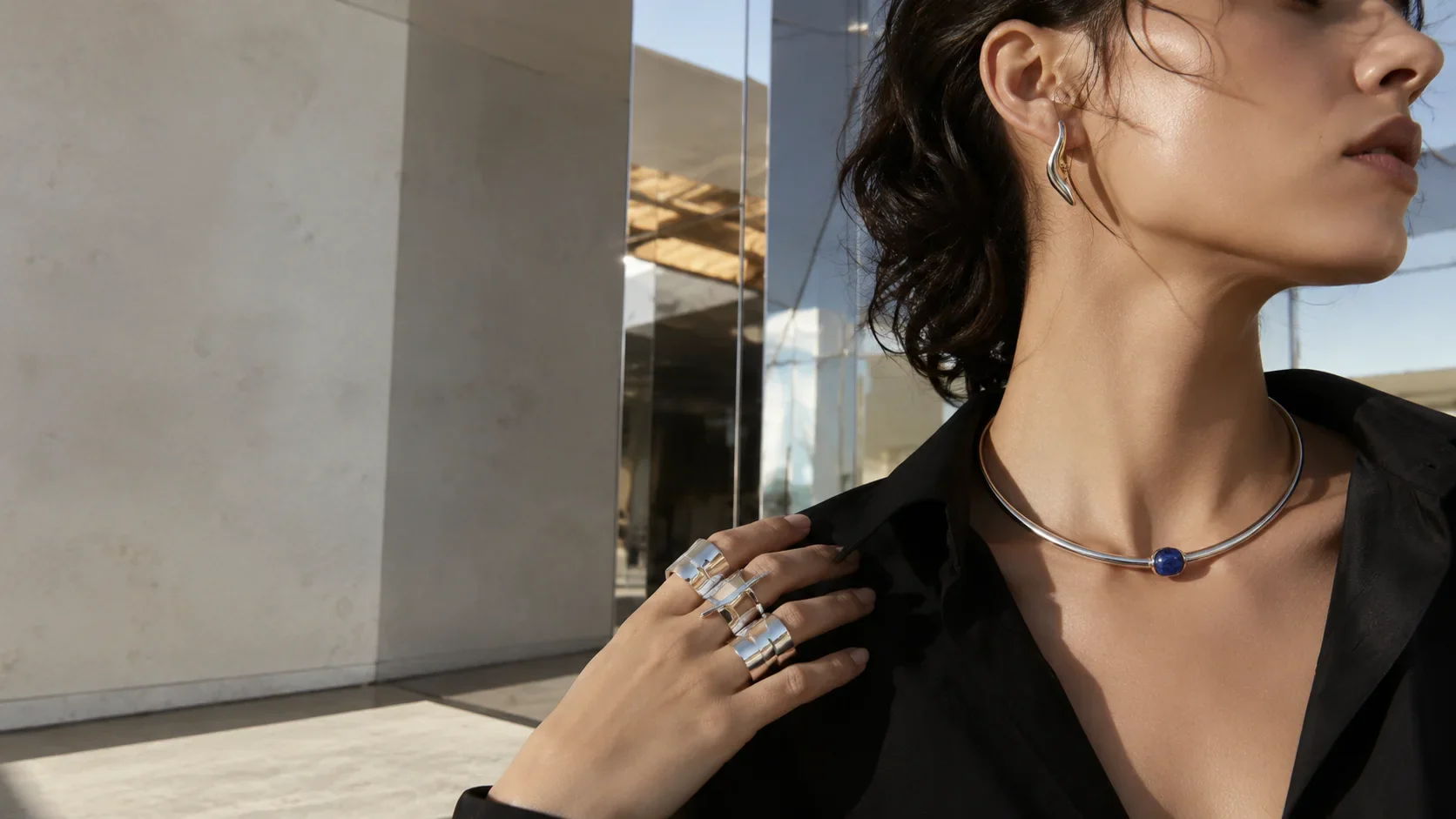
Business casual dressing has evolved from a narrow workplace formula into a more personal visual language. Today, professionals often move between meetings, creative discussions, remote calls, commuting, and social settings within the same day. Jewelry for business casual plays an important role in this transition because it adds identity, structure, and intention to otherwise adaptable clothing. The right piece does not simply decorate an outfit; it creates a relationship between material, movement, and the person wearing it. The challenge is choosing jewelry that feels expressive while remaining practical, comfortable, and appropriate for professional environments.
The strongest workplace jewelry choices are not defined by being quiet or invisible. They succeed because they understand balance. Scale, silhouette, material, closure, and comfort all influence whether a piece feels refined or distracting. A sculptural earring, architectural ring, or carefully proportioned bracelet can communicate creativity and confidence while allowing the wearer’s personality to remain central.
Understanding the Role of Jewelry for Business Casual
The phrase jewelry for business casual represents a category where personal aesthetics meet everyday professional requirements. Unlike formal jewelry reserved for celebrations or evening occasions, workplace pieces need versatility. They may accompany a presentation in the morning, a collaborative discussion after lunch, and a dinner event later that evening.
This makes design intention especially important. Jewelry for professional settings should not feel like an afterthought added at the end of dressing. Instead, it should participate in the overall composition of an outfit. A curved metal form may echo the structure of a blazer. A textured surface may create contrast against a simple knit. A geometric earring may frame the face and strengthen the visual impact of a clean neckline.
The modern approach is less about following strict rules and more about understanding relationships. Clothing provides the architectural foundation, while jewelry introduces personality, material interest, and visual rhythm.
Business Casual Jewelry: Finding the Balance Between Personality and Professionalism
Business casual jewelry works best when it creates presence without competing with communication. In professional environments, accessories influence first impressions, but the most successful pieces support rather than dominate the wearer.
A useful way to evaluate jewelry is to consider visual hierarchy. If an outfit already contains strong elements such as patterns, dramatic tailoring, or bold textures, jewelry may function as a balancing element. If clothing is minimal, a more distinctive piece can become the focal point.
Statement does not always mean oversized. A carefully engineered silhouette, unusual surface treatment, or unexpected proportion can create impact through design intelligence. Contemporary jewelry often gains strength from restraint because the viewer notices the relationship between form and body rather than only decoration.
Workplace culture should also influence selection. A creative studio, design environment, or entrepreneurial setting may welcome stronger sculptural forms, while a more traditional corporate environment may call for controlled scale and refined details. The goal is not to remove individuality but to express it with awareness.
Office Jewelry: Designing for Meetings, Movement, and Daily Transitions
Office jewelry must function beyond static styling. Real professional life involves movement: typing, writing, presenting, using headphones, carrying bags, and interacting with colleagues. Jewelry that looks excellent in a photograph may become impractical if it interrupts everyday activities.
Before choosing a piece, consider practical movement tests. Can earrings remain comfortable during long conversations or video meetings? Does a bracelet interfere with keyboard use? Does a necklace remain stable when moving between standing and sitting positions? Do rings feel comfortable after several hours of wear?
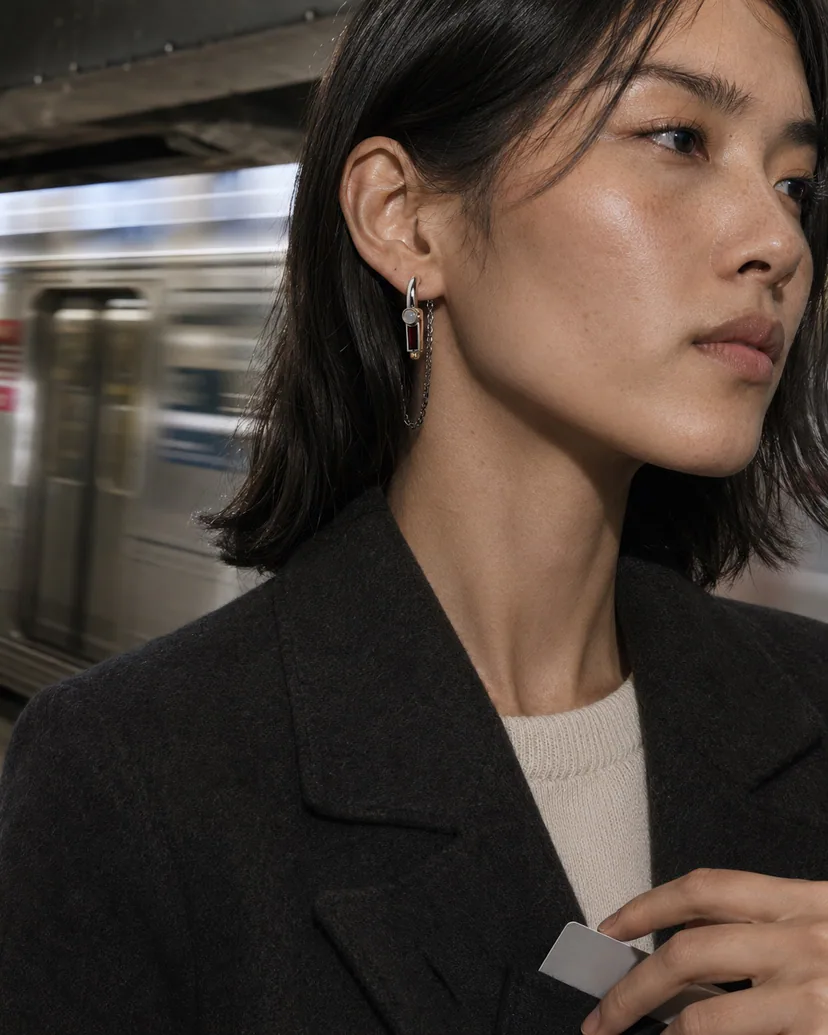
Closures deserve particular attention. Earrings should remain secure without creating unnecessary pressure. Clasps should be easy to operate but reliable enough for daily use. Adjustable components should function smoothly. These construction details often determine whether a piece becomes part of a regular wardrobe or remains reserved for occasional use.
Professional jewelry should also transition well. A successful office piece can accompany different clothing layers, from a structured jacket to a relaxed sweater, allowing the wearer to maintain consistency throughout changing environments.
Professional Jewelry: Creating Confidence Without Losing Creativity
Professional jewelry does not require a lack of imagination. In many contemporary workplaces, creativity and individuality are valuable qualities. Jewelry can communicate curiosity, taste, and design awareness while still maintaining sophistication.
The difference between expressive and excessive often comes from editing. Wearing one strong piece frequently creates more clarity than combining multiple competing accessories. A sculptural earring, distinctive ring, or carefully shaped pendant can become a signature element when it is allowed enough visual space.
Material selection also affects perception. Smooth surfaces may create a refined impression, while textured or irregular surfaces can introduce a more artistic quality. However, visual appearance should always be considered alongside practical concerns. Some materials require specific care, some finishes may change with wear, and some designs may need additional attention to maintain their appearance.
Work Jewelry: Building a Reliable Personal Rotation
Work jewelry becomes most valuable when it integrates naturally into daily routines. Rather than collecting pieces that only match specific outfits, consider building a small system based on different professional needs.
A practical rotation might include a subtle everyday piece for regular tasks, a more distinctive design for presentations or important meetings, and a versatile transitional piece that works from daytime responsibilities into evening activities.
This approach also encourages thoughtful purchasing decisions. Before adding a new piece, consider how often it can realistically be worn, how it interacts with existing clothing, and whether it expresses a lasting preference rather than a temporary trend.
Storage and maintenance are equally important. Jewelry should be protected from unnecessary moisture, chemicals, friction, and unsuitable storage conditions. Different materials and finishes require different care methods, so cleaning instructions should always follow the specific requirements of the piece.
Everyday Statement Jewelry: Making Presence Feel Natural
everyday statement jewelry challenges the idea that expressive jewelry belongs only to special occasions. The contemporary approach is about wearable impact: pieces with enough personality to be memorable while remaining practical for repeated use.
The strongest everyday statement pieces often combine distinctive design with comfortable proportions. They may feature unusual curves, organic structures, architectural forms, or carefully considered asymmetry. Their character comes from thoughtful construction rather than unnecessary complexity.
Simple clothing often provides the ideal foundation. A plain shirt, neutral knit, tailored jacket, or monochrome outfit allows jewelry to become a visual anchor. Instead of competing with clothing, the piece creates a conversation between fabric, body, and material.
Minimal Statement Jewelry: The Power of Controlled Design
minimal statement jewelry demonstrates that restraint and impact can exist together. Minimal design focuses on essential form, allowing proportion, craftsmanship, and material qualities to become the primary sources of expression.
A single curved surface or carefully balanced volume can communicate more sophistication than excessive ornamentation. Minimal does not mean forgettable. Many memorable designs are powerful precisely because they remove unnecessary elements and emphasize the relationship between object and wearer.
For business casual styling, this approach is especially effective because it provides individuality without overwhelming professional clothing. A thoughtfully designed piece can complement multiple outfits and become part of a recognizable personal style.
Comfortable Work Jewelry: The Practical Test
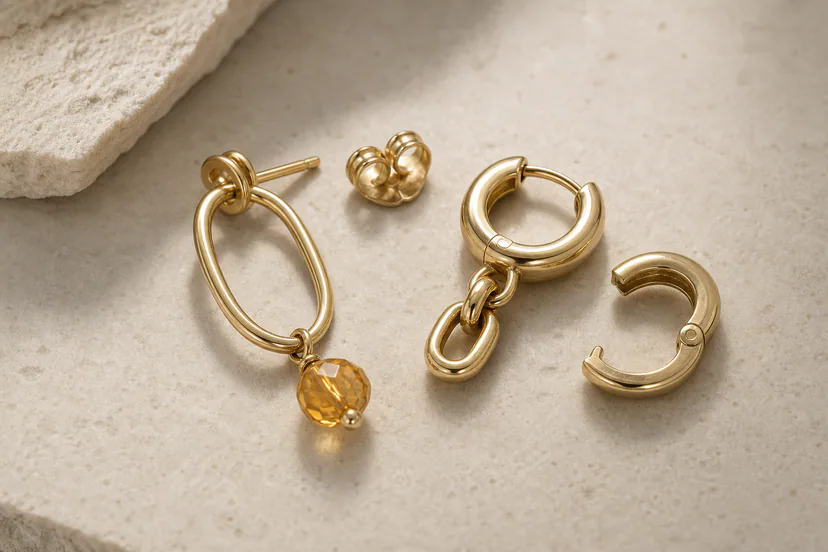
comfortable work jewelry depends on more than whether a piece appears lightweight. Comfort is influenced by weight distribution, attachment points, edges, material sensitivity, movement, and duration of wear.
Testing jewelry during realistic activities is essential. Wear earrings while using headphones. Try bracelets while typing. Move naturally while wearing necklaces. Check whether closures remain secure and whether any contact points create discomfort.
Weight should always be considered through verified product information rather than visual assumptions. A larger piece may feel balanced because of its construction, while a smaller dense object may create more pressure. Design geometry and material composition both influence the wearing experience.
A Practical Decision Framework for Choosing Business Casual Jewelry
Use this four-step framework when selecting jewelry for professional settings:
- Environment: Consider your workplace culture, daily responsibilities, meetings, and expected level of formality.
- Silhouette: Match jewelry scale and shape with clothing structure, neckline, hairstyle, and other visual elements such as eyewear.
- Function: Evaluate movement, closure security, weight, comfort, and whether the piece works during a full working day.
- Identity: Choose designs that reflect your personal aesthetic and create a consistent relationship with your wardrobe.
FAQs
What makes jewelry suitable for business casual?
Jewelry suitable for business casual balances personal expression with practical considerations. The most successful pieces consider proportion, comfort, material quality, and the environment where they will be worn.
Can statement pieces be worn as office jewelry?
Yes. Statement pieces can work as office jewelry when their scale and styling relationship are carefully considered. A distinctive piece can communicate confidence while maintaining professionalism.
How should I choose comfortable work jewelry?
Select comfortable work jewelry by considering weight, closures, material sensitivity, movement, and wearing duration. Practical testing during normal activities is the best way to understand whether a piece fits daily use.
Is professional jewelry always minimal?
No. Professional jewelry can include expressive and sculptural designs. The important factors are intention, balance, quality, and whether the jewelry supports the wearer’s overall presentation.
Building a More Personal Professional Style
The future of workplace style is not about choosing between professionalism and creativity. The most effective jewelry choices recognize that objects can communicate values, taste, and personality while still serving practical needs.
Explore related Switchroom editorial pathways through topics such as statement earrings styling, sculptural jewelry design, minimalist jewelry approaches, jewelry care, and curated gifting inspiration.
Business casual style becomes more meaningful when accessories are selected with intention. The right jewelry does not simply complete an outfit; it creates a visual language that connects professional confidence with personal expression.
Continue exploring Switchroom
- explore sculptural jewelry
- browse the current jewelry edit
- use the mixed-metal styling guide
- follow the jewelry care decision card
- review material-specific silver care
Sources and evidence boundary
Editorial boundary: styling frameworks are practical decision tools, not universal fit, comfort, material, care, or product-availability guarantees. Verify each live product record.